
Bright smile rings bells, but pain prevents people from beginning teeth whitening. Sensitivity fear frequently overpowers cosmetic need for a healthy smile with straight teeth. Current dental practices understand sensitivity to be common, transient, and easily controlled.
Teeth whitening is not painful when it is done right. Techniques are smarter if they make patients less uncomfortable without reducing effectiveness. Now, safer alternatives focus on enamel health and nerve comfort.
To whiten safely, patients can follow guidelines. Patient education in this respect can help mitigate the fear. This manual provides information on causes, solutions, and prevention in a responsible way.
Why Teeth Whitening Can Cause Sensitivity
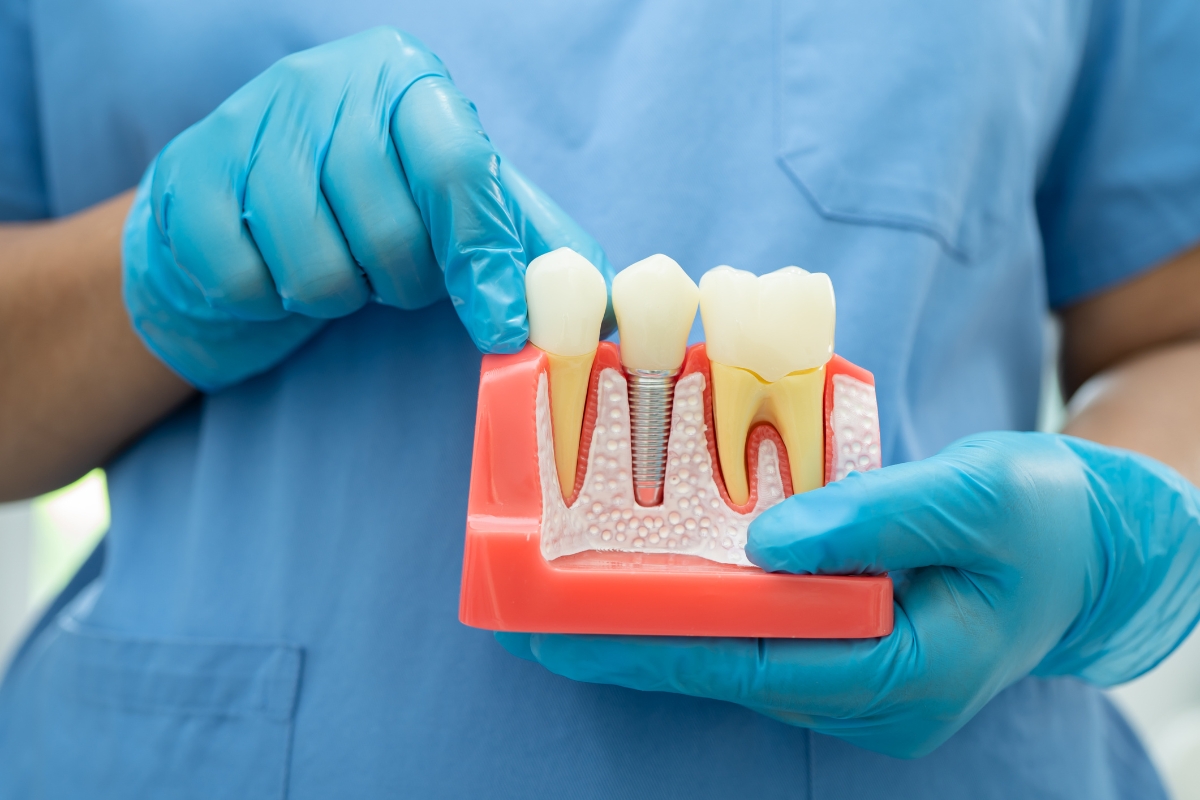
Teeth whitening involves using peroxide to seep into the enamel to reach the interior stains. Minute pits in enamel are opened during treatment. Whitening products can therefore reach dentin and nerve endings because of these pores.
Nerves respond temporarily to chemical stimulation. Such an interaction results in transient sensitivity rather than damage. A healthy enamel will self-seal after treatment is complete. Sensitivity decreases when teeth recover mineral balance.
Dentists classify this type of immune response as normal.
Who Is More Prone to Whitening Sensitivity
Some factors can raise the possibility of reactions during tooth whitening. Sensitivity is differentiated based on personal dental factors.
- Naturally thin enamel increases nerve exposure risk.
- Tooth sensitivity makes existing sensitivity worse.
- Gingival recession leaves the root area exposed.
- Current dental work impacts nerve viability.
- Excessive product usage puts pressure on enamel resistance.
Know your risk factors to make safe teeth whitening in Northville.
Types of Teeth Whitening Treatments Based on Sensitivity
Various methods of teeth whitening have different effects on comfort. Knowing options can eliminate unnecessary pain in teeth whitening.
Over-the-Counter Whitening
Strips, gel pens, and pens attract convenience-driven consumers. The lack of guidance can lead to misuse of risk. Inconsistent peroxide exposure increases the chances of sensitivity.
Professional In-Office Whitening
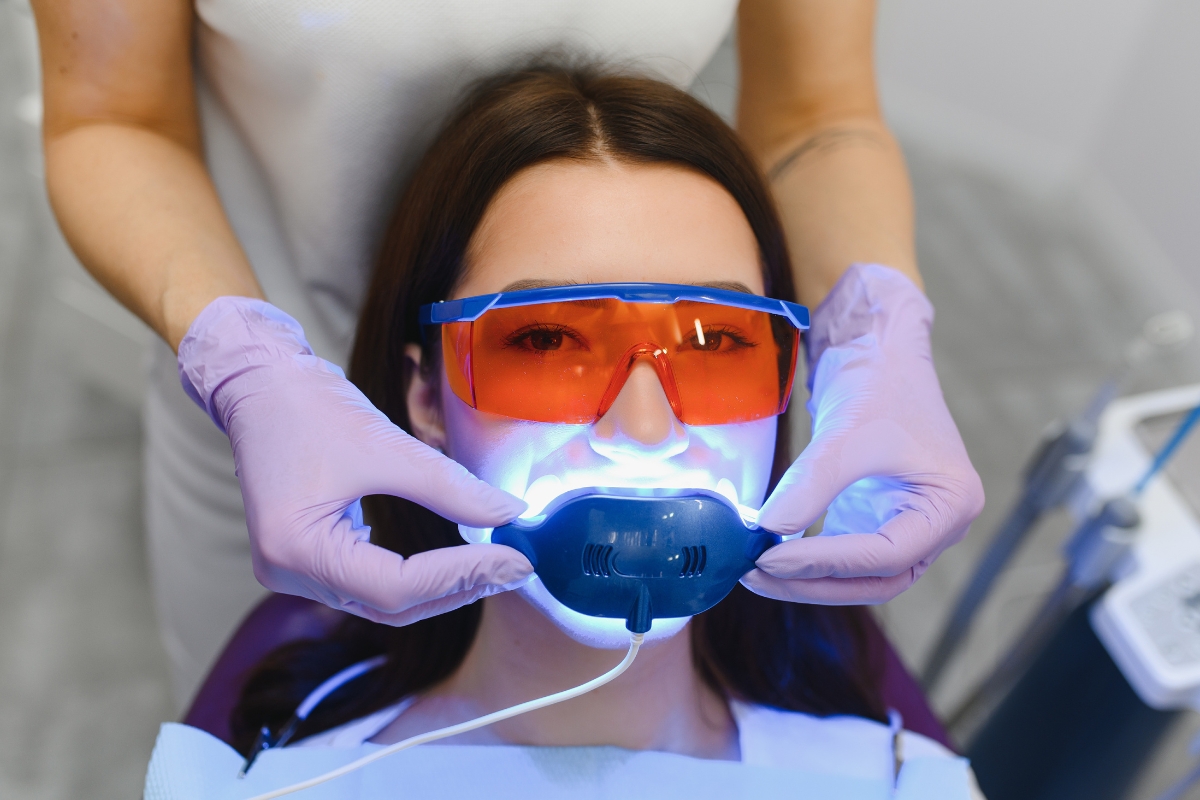
Dentists control concentration and application time very accurately. Protecting barriers protect gums and soft tissue. A lower sensitivity risk leads to faster results.
Dentist Supervised Take-
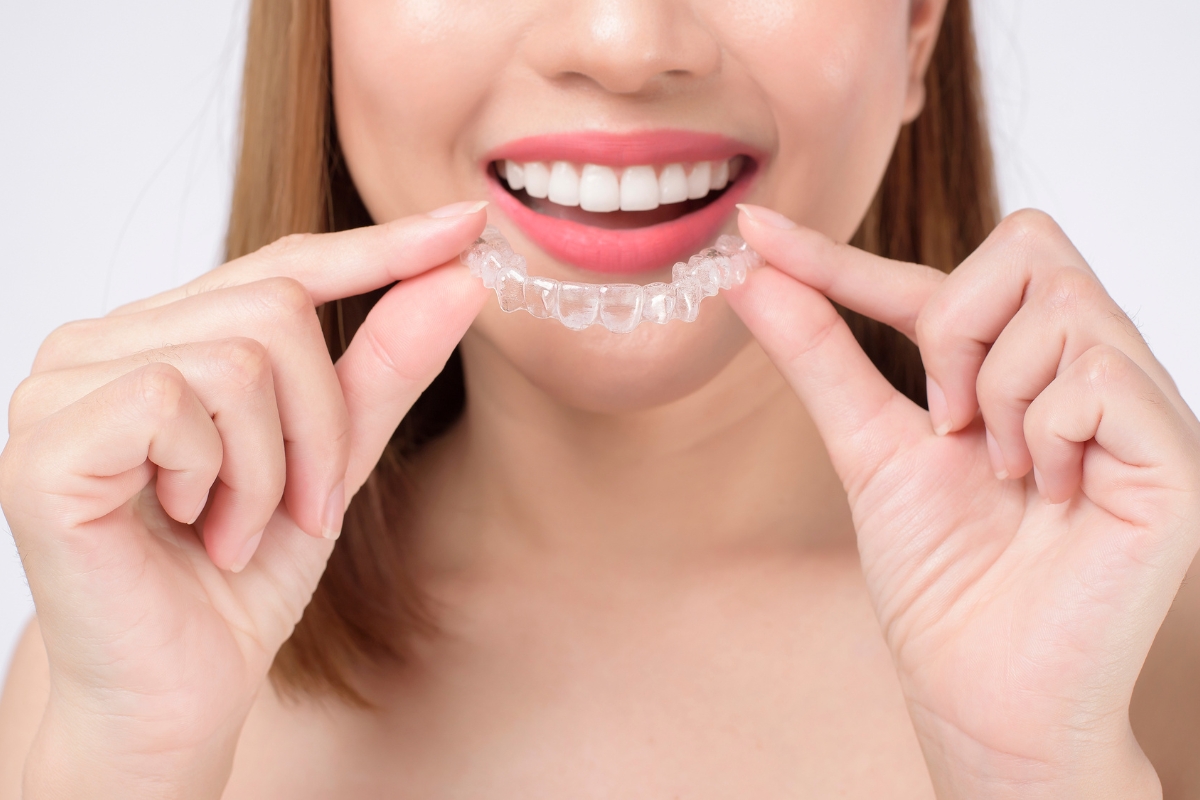
Customized trays help in distributing gel evenly. Gradual whitening preserves enamel structure. This technique provides better control over sensitivity.
Reduction of Sensitivities During Whitening by Dentists
Dentists examine the enamel thickness and gum health before any teeth whitening treatment is carried out.
Desensitizing agents affect nerve responses promptly. A lower concentration protocol will lower irritation. Methods of protection keep the enamel intact.
Advice after treatment promotes nerve regeneration. Professional guidance is present to make sure the patient is comfortable during. Additionally, this approach provides a balance of safety and results.
Some Ways to Prevent Whitening Sensitivity
Preventive measures can prevent pain in teeth whitening procedures. Smaller modifications promote enamel and nerve health.
- Apply desensitizing toothpaste before and after whitening
- Reducing the time duration of whitening
- Do not consume foods with an acidic nature during treatment phases
- Pause Whitening if Sensitivity Occurs
- Hydrate enamel with good oral hygiene practices
Consistency can allow pain-free whitening results.
What to Do if Sensitivity Develops After Whitening
Mild sensitivity is common after whitening treatments. Stinging or aching pain will not go unnoticed. Sensitivity takes approximately forty-eight hours to resolve. Continue whitening but stop if pain increases.
Consult a dentist if pain persists after a few days. Early guidance can prevent complications. Prompt communication ensures continued oral health protection.
Is Teeth Whitening a Safe Procedure for Sensitive Teeth?
Teeth whitening in Northville is safe on sensitive teeth if guidance is followed. Sensitivity does not indicate damage to enamel.
Dentists tailor treatment strategies based on tolerance levels. Mint varieties have gentle formulations. Professional supervision increases comfort and safety scores. Individualized planning means predictable outcomes with minimal pain.
Current dental care focuses on comfort in addition to aesthetics. Sensitivity can respond well by proper planning and professional attention. Whitening teeth does not have to involve suffering from pain.
Smart choices promote enamel and nerve health. Directed therapies bring whitened smiles with ease. Patients benefit from personalized approaches and realistic expectations. Whitening with a comfort focus promotes a lifetime of good dental health and self-confidence.
FAQs
When should a dentist be contacted after whitening?
Contact a dentist if pain persists beyond forty-eight hours. Early guidance prevents complications.
Is gradual whitening better for sensitive teeth?
Gradual whitening reduces nerve stress. Dentists often recommend this approach.
Can whitening sensitivity indicate underlying dental issues?
Sometimes sensitivity signals hidden concerns. Dentists evaluate before continuing treatment.
Can whitening sensitivity become permanent?
Permanent sensitivity remains rare. Proper care prevents long-term nerve irritation.
Does enamel thickness affect whitening comfort?
Thin enamel exposes nerves faster. Dentists consider enamel health before whitening.