

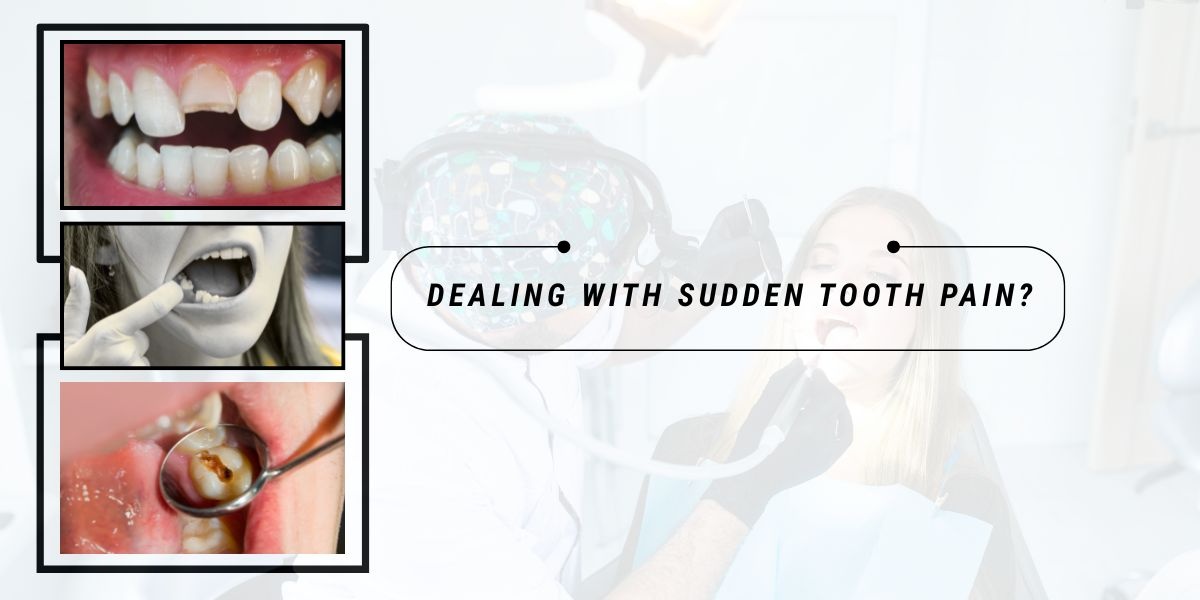
You’re enjoying dinner, sipping coffee, or drifting off to sleep when a sharp jolt shoots through your tooth. Sudden tooth pain can feel alarming, especially when it appears out of nowhere. The truth is, this kind of discomfort is common, but it’s never random. Your body is signaling that something needs attention.
Whether the sensation is sharp, throbbing, or constant, it usually points to an underlying dental issue that has quietly developed over time. Many patients around Northville notice symptoms during everyday routines, like walking through Maybury State Park with a cold drink or biting into food at a local café. Understanding what causes sudden pain helps you respond quickly and confidently.
This guide explains why it happens, what it may mean, warning signs to watch for, and when it’s time to contact a professional for care, including situations that may require an emergency dentist.
What Causes Sudden Severe Tooth Pain?
Sudden pain often comes from problems that were developing silently. Teeth and gums can compensate for irritation for weeks or months before symptoms appear.
Deep Tooth Decay Reaching the Nerve
Hidden cavities may grow beneath the surface without visible signs. Once bacteria reach the inner pulp, inflammation develops and pressure builds. That pressure triggers intense pain because nerves inside the tooth react quickly.
Tooth Abscess or Infection
An untreated infection can form a pocket of pus. As pressure increases, swelling and throbbing pain follow. This type of emergency tooth pain often worsens rapidly and may spread to nearby tissues.
Cracked or Fractured Tooth
Tiny fractures are sometimes invisible but still expose sensitive layers. Pain may appear suddenly when biting or when hot or cold foods touch the area.
Gum Infection or Advanced Gum Disease
When gums become inflamed, they may pull away from teeth and expose roots. That exposure can cause gum infection pain during chewing or brushing.
Sinus Pressure That Mimics Tooth Pain
Upper molars sit close to sinus cavities. When sinuses become inflamed, pressure can radiate downward, creating discomfort that feels like a tooth problem.
Why Does Tooth Pain Feel So Intense Suddenly?
Teeth contain a small chamber filled with nerves and blood vessels. This space is rigid and cannot expand. When inflammation develops inside it, pressure rises quickly. Because nerves are densely packed, even slight swelling can produce sharp signals of pain.
Inflammation inside this confined area amplifies sensation. Unlike muscles or skin, teeth cannot swell outward to relieve pressure. Instead, discomfort intensifies until the source is treated. This explains why pain can appear suddenly after days of mild sensitivity.
Many people notice symptoms worsening at night. When you lie down, blood flow to the head increases, which can raise pressure inside the tooth. Reduced distractions at night also make discomfort feel stronger. If pain wakes you from sleep, it usually indicates irritation affecting the nerve and should not be ignored.
Signs Your Tooth Pain Is a Dental Emergency
If you notice these symptoms, prompt care is important:
- Swelling in the face or jaw
- Fever or chills
- Metallic or foul taste
- Difficulty swallowing or breathing
- Pain strong enough to wake you from sleep
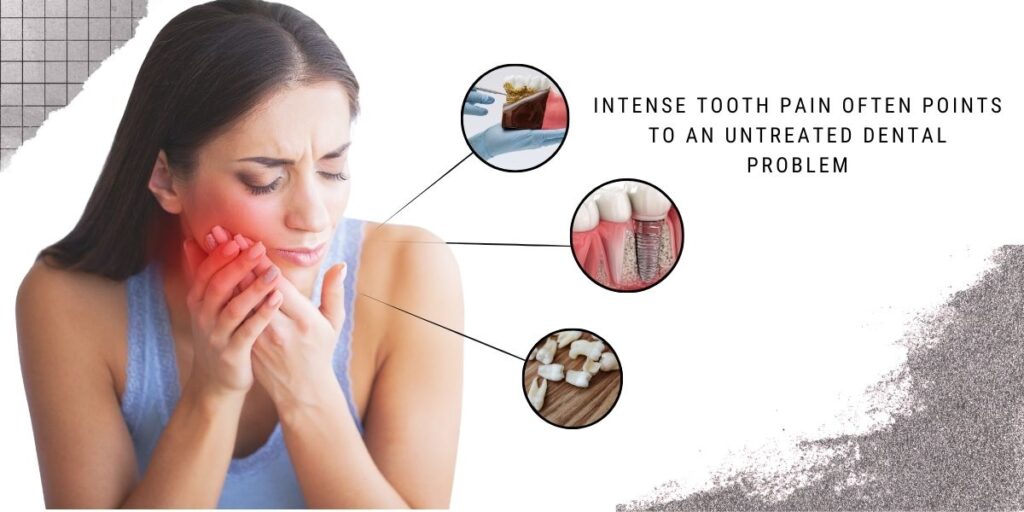
These signs may indicate infection spreading beyond the tooth. Residents heading to work along Haggerty Road or commuting toward Detroit should seek care promptly rather than waiting for symptoms to fade.
What Your Pain Type Might Be Telling You
The way your tooth hurts often provides clues about the underlying cause. A sharp sensation usually suggests exposed dentin or a crack that allows stimuli to reach sensitive inner layers. This type of pain tends to appear suddenly when biting or when cold air touches the tooth.
Throbbing pain often points to infection or an abscess. The pulsing sensation comes from pressure changes inside inflamed tissue. If swelling accompanies the throbbing, it can signal that bacteria have reached deeper structures and require treatment.
Sensitivity to cold frequently indicates enamel wear or early decay. When protective enamel thins, temperature changes reach the nerve more easily. This discomfort may fade quickly but still signals a developing problem.
Pain when biting usually relates to fractures or inflammation of the ligament that supports the tooth. Even small cracks can shift slightly under pressure, triggering discomfort.
A constant dull ache often suggests nerve inflammation inside the tooth. While it may seem mild at first, it can worsen as pressure builds. Paying attention to these patterns helps professionals determine the cause faster and choose the most effective treatment.
Can Tooth Pain Go Away on Its Own?
Pain sometimes fades temporarily, but that does not always mean healing has occurred. In some cases, the nerve inside a tooth stops responding because infection has damaged it. When this happens, discomfort may disappear briefly, giving a false sense of relief.
Ignoring symptoms can allow bacteria to spread deeper into tissues or bone. What begins as mild irritation can turn into swelling, infection, or more complex problems. Waiting too long may also limit treatment options.
If discomfort disappears and then returns, that cycle often indicates ongoing inflammation. It’s a sign that evaluation is needed, even if the pain seems manageable. Early care from an emergency dentist in Northville protects surrounding teeth and prevents complications.
What You Should Do Immediately
When sudden dental pain strikes, simple steps can help reduce discomfort until you receive professional care. Start by rinsing gently with warm salt water. This helps cleanse the area and may reduce inflammation. Taking an over-the-counter pain reliever can also ease symptoms temporarily.
Avoid chewing on the affected side, since pressure can worsen irritation. Applying a cold compress to the cheek may reduce swelling and numb the area slightly. These measures provide short-term relief but do not treat the underlying cause.
The most important step is contacting a dental office as soon as possible. Patients in and around Northville often find that early attention prevents a minor concern from turning into severe emergency tooth pain. Quick action supports faster recovery and greater comfort.
Professional Treatments That Stop Severe Tooth Pain
Treatment depends on the source of discomfort. If infection reaches the inner pulp, root canal therapy may remove inflamed tissue and relieve pressure. When swelling is present, drainage of infection may be necessary to reduce pain and prevent spread.
If decay is limited, a filling or crown can restore structure and protect the tooth. Gum-related discomfort may require targeted cleaning or periodontal care to remove bacteria beneath the gumline. In cases where damage is extensive, removal of the tooth may be recommended to protect overall oral health.
Each option focuses on eliminating the source of inflammation. The goal is not only relief but also preservation of surrounding tissues.
How Dentists Diagnose Sudden Tooth Pain
Determining the exact cause requires careful evaluation. Digital X-rays reveal hidden decay, infection, or fractures beneath the surface. Bite tests help identify cracks or ligament irritation by observing how teeth respond to pressure.
Thermal tests measure sensitivity to hot or cold, which indicates nerve health. Percussion testing, gently tapping a tooth, helps detect inflammation around the root. These methods work together to pinpoint the problem accurately.
At Main Dental, this diagnostic approach allows providers to identify issues quickly and recommend precise solutions. Early diagnosis reduces uncertainty and helps patients feel confident about their care plan.
How to Prevent Sudden Tooth Pain in the Future
Prevention begins with routine dental visits. Regular checkups allow professionals to spot early decay before it reaches the nerve. Addressing small concerns promptly keeps them from turning into painful emergencies.
Night guards can protect teeth from grinding, which often causes cracks and sensitivity. Proper brushing technique helps maintain enamel strength and keeps gums healthy. Fluoride products strengthen tooth surfaces and reduce the risk of cavities.
Daily habits matter as well. Limiting sugary snacks, drinking water after meals, and replacing worn toothbrushes all support oral health. Consistent care lowers the chance of unexpected discomfort and reduces the likelihood of needing urgent treatment from an emergency dentist in Northville.
Sudden tooth pain can feel frightening, but it usually has a clear explanation. Your body is signaling that something needs attention, whether it’s decay, infection, or irritation. Acting quickly protects your comfort and your long-term oral health.
If you notice sharp or persistent pain, swelling, or sensitivity, don’t wait for it to worsen. A timely evaluation can stop discomfort and prevent complications. Main Dental is here to help local families find answers and relief when symptoms appear unexpectedly. If sudden pain disrupts your day, scheduling a visit is the smartest step toward feeling comfortable again.
People Also Ask
Can stress cause tooth pain?
Yes. Stress can lead to teeth grinding or clenching, which puts pressure on teeth and jaw muscles. Over time, this strain can cause soreness, sensitivity, or sharp discomfort.
Why does tooth pain feel worse at night?
Pain may intensify when lying down because blood flow to the head increases, raising pressure inside the tooth. Fewer distractions at night can also make discomfort feel stronger.
Does sensitivity to cold mean I have a cavity?
It can, but not always. Cold sensitivity may also come from enamel wear, gum recession, or exposed roots. A dental check helps determine the exact cause.
Can tooth pain spread to other areas?
Yes. Dental pain can radiate to the jaw, ear, or head because nerves are closely connected. Spreading discomfort often indicates inflammation or infection that needs care.
Should I worry if tooth pain comes and goes?
Intermittent pain still signals a problem. Symptoms that appear and disappear often mean irritation is progressing. Early care helps prevent sudden flare-ups and more complex treatment later.