

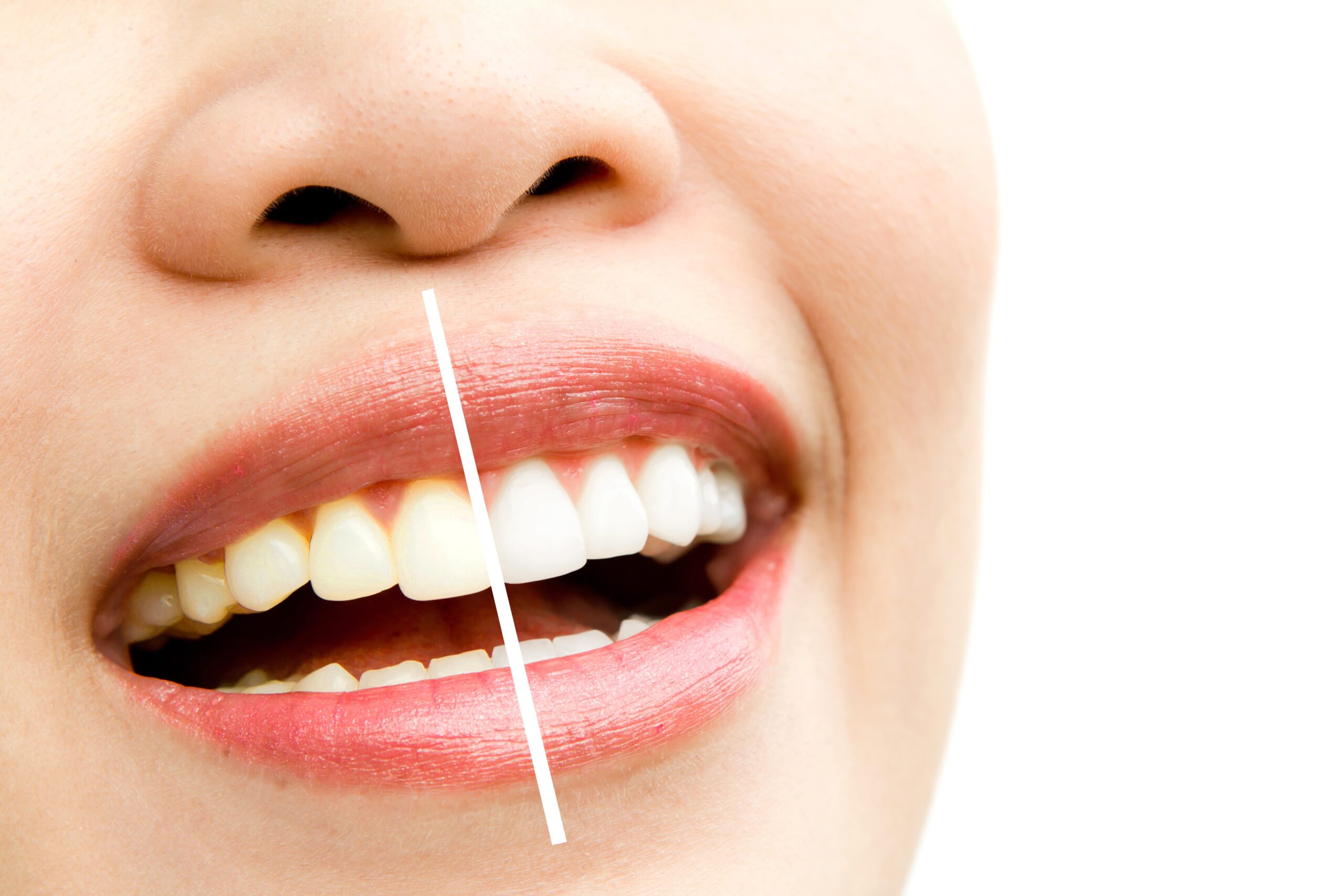
How often do you visit the dentist for a cleaning? Many people often postpone these cleanings, believing that daily brushing is sufficient for good oral health. But receiving regular dental cleanings from your dentist is crucial to your oral health. This blog will cover why you need professional dental cleanings, how often they need to be performed, and the reasons why this routine is so essential.
Why Regular Dental Cleanings are Important?
More than just a checkup, dental cleanings can be extremely important for a healthy smile. Cleanings help remove the tartar and plaque that collects on your teeth from everyday brushing. Tartar and plaque can contribute to gum disease, cavities, and tooth loss. While flossing and brushing twice a day are extremely important for a clean smile, dental cleanings help remove hidden plaque and tartar that build up.
There are also times when your dentist in Northville, MI can closely examine your oral health and detect any serious problems before they evolve into more expensive and difficult treatments to manage, so that you may always have a bright smile.
How Often Should You Get Dental Cleanings?
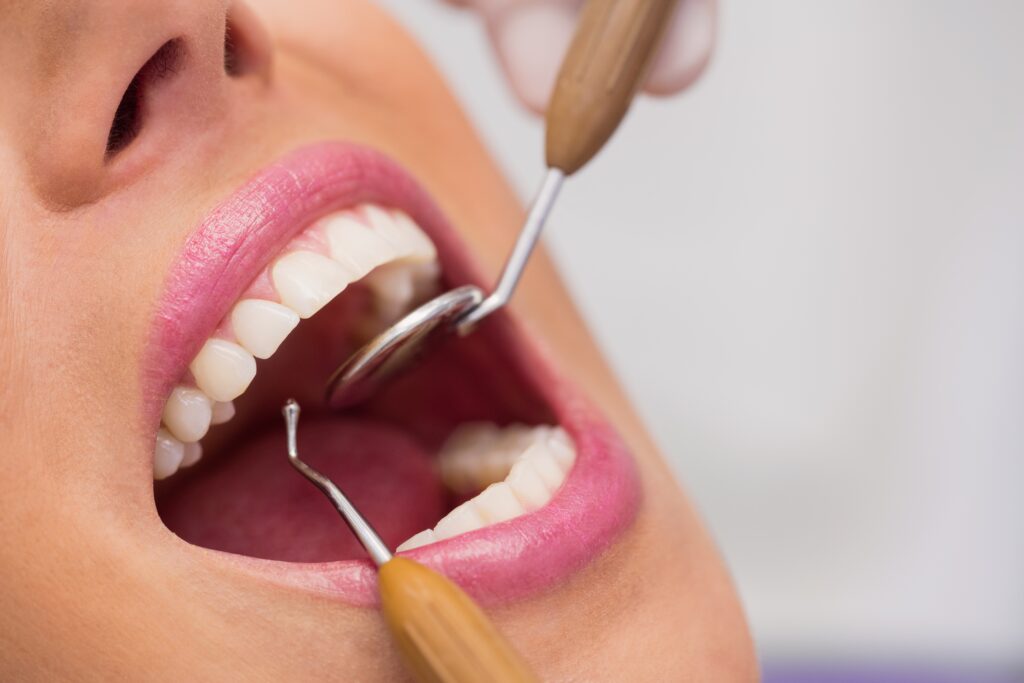
For most individuals, receiving a cleaning every six months from your dentist is standard practice. Nevertheless, the frequency of cleanings varies from person to person. Here are some guidelines that can help determine how often you should visit your dentist for cleanings:
- General Guideline: For people who maintain proper oral hygiene and do not have major oral health complications, six-month dental visits are usually adequate and can promote long-term oral health through early detection and removal of plaque and tartar.
- Dental Complication History: Individuals with a history of plaque or tartar buildup or a predisposition to cavities or gum disease are encouraged to visit the dentist for a cleaning every 3-4 months to reduce the risk an complications. People with a record of gum disease and smokers will also benefit from a more consistent schedule.
- Children and older people: Both are much more prone to problems such as tooth decay and gum recession. For this reason, it’s advisable to visit the dentist more frequently than the standard six months to ensure any necessary treatment is administered promptly.
What Happens During a Dental Cleaning?
- Scaling: Your dentist or a hygienist will use special instruments to remove plaque and tartar from your teeth. Special attention is given to the difficult areas of the tooth that a toothbrush can’t quite reach. This part is the most important part of your cleaning.
- Polishing: After removing plaque and tartar from your teeth, the hygienist will polish them to create a smooth surface that stains less easily.
- Flossing and Fluoride Treatment: A hygienist will now floss between your teeth to remove any final bits and pieces, and might apply a fluoride treatment so you won’t have to worry about decay.
Although this is relatively simple, the process still plays an important role in keeping you healthy and your teeth looking their best, and it helps prevent more serious dental problems.
What Are the Risks of Not Getting Regular Cleanings?
If you neglect to attend your dental cleaning appointments, you can find yourself dealing with various dental problems.
- Plaque Buildup: Plaque can attack your tooth enamel. If the plaque isn’t removed, it will harden into tartar, which you can’t remove with just home brushing. If the plaque isn’t removed and continues to build up, it can result in tooth decay.
- Gum disease: If plaque builds up on the gumline, it can inflame the gums, causing Gingivitis. This can eventually lead to a more aggressive form of gum disease called periodontitis, which could result in tooth loss.
- Bad Breath: As plaque builds up on your teeth and bacteria live in your mouth, this can result in bad breath, also known as halitosis.
- Tooth decay and Tooth loss: cavities left untreated can develop into an infection, which may require a root canal or even the removal of your tooth.
With that said, you can always avoid these issues by seeing your dentist in Northville, MI, regularly for dental cleanings to help ensure you don’t develop other dental diseases.
How to Maintain Healthy Teeth Between Cleanings
Maintaining your oral health at home is extremely important when not attending regular dental cleanings. There are several things you can do to look after your teeth.
- Brush twice a day: Ensure you brush for 2 minutes each time and cover all surfaces. Don’t forget to brush your tongue, as it harbors many bacteria.
- Floss every day: This is an important task because it helps clean the gaps between your teeth, which are prime sites for plaque buildup.
- Avoid sugary foods: Sugar provides bacteria in your mouth with a food source, promoting more plaque buildup and increasing the risk of tooth decay.
- Drink plenty of water throughout the day: This helps wash away food particles and plaque from your mouth.
- Make regular visits to your dentist: Even with excellent home care, you still need professional cleanings to keep your teeth in optimal condition.

Why Visit Us At Main Dental Today?
Regular dental cleaning is part of maintaining a perfect smile and will also save you a lot of money on further dental treatments. If you live in Northville, MI, and are ready to book an appointment for your regular dental cleaning, contact us at Main Dental today!
Conclusion: Keep Your Smile Healthy with Regular Cleanings
Caring for your teeth in this manner is one of the simplest things you will do in your life to keep you in good health and avoid unnecessary dental treatments down the line. Keep visiting our dentist in Northville, MI, for regular dental cleanings to help keep your smile healthy throughout your life. We will help at every point of your smile’s journey.
Common Questions People Ask
How often should I get a dental cleaning?
Most people should visit their dentist for a cleaning every six months. However, those with specific dental concerns may require more frequent visits.
Can I get a dental cleaning if I have sensitive teeth?
Yes, your dentist can adjust the cleaning process to accommodate sensitive teeth and gums. Be sure to discuss any discomfort with your dentist beforehand.
What can I expect after a dental cleaning?
After your cleaning, your teeth may feel smoother and cleaner. Some people may experience slight gum sensitivity, but this should subside within a day or two.
Can I skip my dental cleaning if I brush and floss regularly?
While brushing and flossing are crucial, they can’t remove all plaque and tartar. Professional cleanings help keep your teeth healthy.