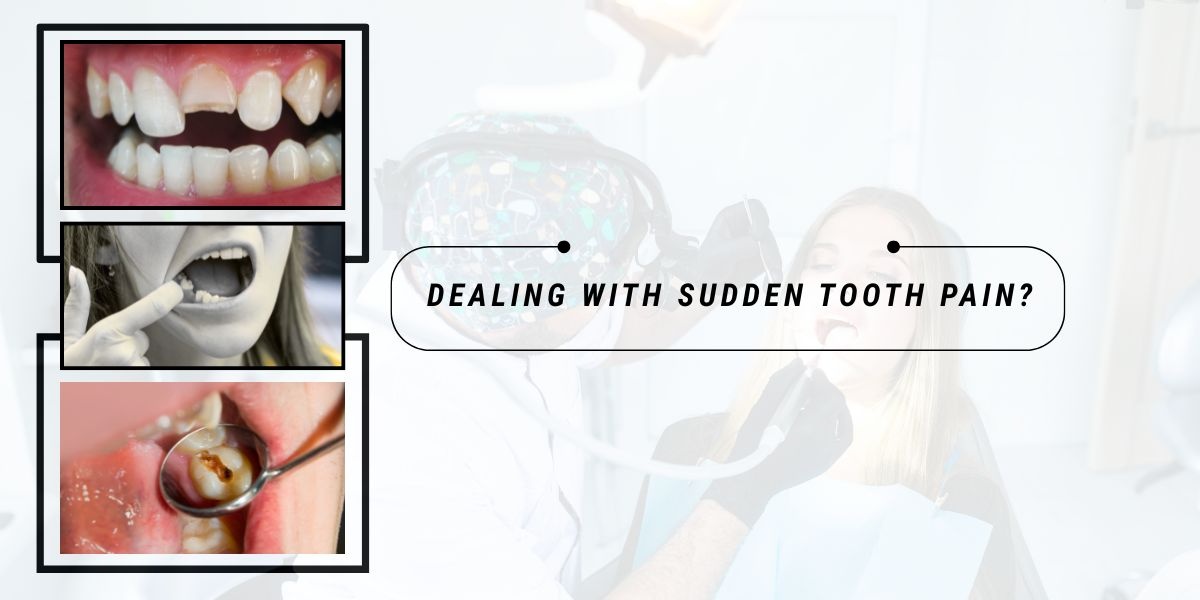


Dental emergencies don’t wait until you have a spare moment in your schedule; in fact, they turn up at the least convenient times imaginable. A chipped tooth during dinner, a swollen jaw before an important meeting, or a knocked-out tooth during weekend sports can quickly turn into a stressful situation. In those unexpected moments when you’re faced with pain or injury, knowing what to do can seem overwhelming. Your immediate actions are important in preserving the tooth and minimizing complications until a dental professional can provide treatment.
In this blog, you will learn about effective, step-by-step strategies that you can utilize to safely manage common dental emergencies before professional dental care is possible.
Recognizing a Dental Emergency
Although not all dental problems require a trip to the emergency dentist, others require immediate intervention to avoid damage or further infection.
Common dental emergencies include:
- A toothache that is constant or severe
- A tooth that has been knocked out of its socket
- A broken or cracked tooth
- A lost filling or crown
- A swollen gum or jaw
- Uncontrolled bleeding from the mouth
- Damage to your lips, cheeks, or tongue
If one of these issues happens, contact your emergency dentist in Northville as quickly as possible. They will take steps to assess the problem, reduce any discomfort, and help to save the tooth. If you know how to respond correctly, you can help keep yourself and your teeth safe until you can get professional help.
Don’t Panic, Stay Calm, and Assess The Situation
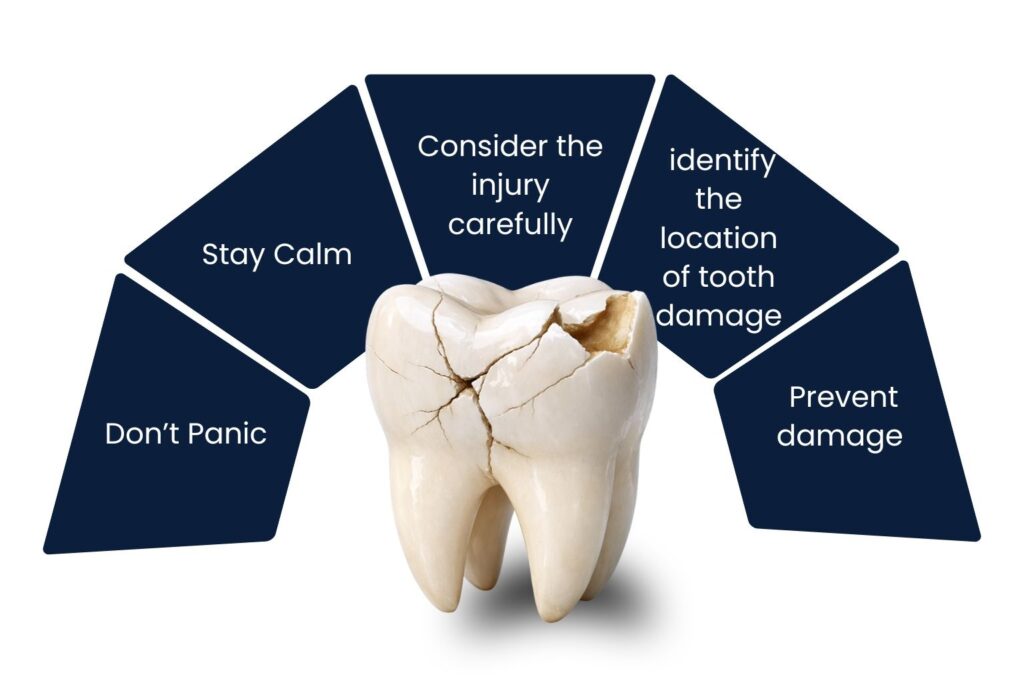
The very first and perhaps most important step you should take in the case of a dental emergency is to remain calm. Panic will generally make things worse, and you might take the wrong action in your confusion. Take a deep breath and look at the situation in front of you.
In the case of a dental emergency:
- Consider the injury carefully.
- Try to identify the location of bleeding, swelling, or tooth damage.
- Confirm if a tooth has been knocked out of its socket or repositioned incorrectly.
If bleeding is evident, rinse your mouth gently with water and apply clean gauze directly to the affected area to help slow the bleeding.
When you remain calm, you can act efficiently, helping to preserve your smile as much as possible before you see your dentist.
What to Do for a Severe Toothache
Tooth pain is one of the most common dental emergencies. It can be a sign of an infection, decayed teeth, or gum disease, and can even result from a mouth injury. If you start experiencing severe pain in your teeth:
- Rinse your mouth with lukewarm water to help dislodge food particles and rinse away irritants.
- Floss gently around the injured tooth; make sure to get between the teeth to remove any irritants trapped there.
- Place a cold compress over the outside of your cheek in the affected area; it should help reduce pain and inflammation.
Avoid placing aspirin on the injured tooth or the surrounding gum tissue, as this can irritate the tissues further and increase discomfort.
If you have persistent pain, seek professional help to determine the cause, as it can be a common warning sign of more serious issues, such as a bacterial infection.
Handling a Knocked-Out Tooth
A knocked-out tooth requires immediate intervention, as the best chance of saving it depends on getting professional help as soon as possible.
If you accidentally knock out a tooth:
- Pick up the tooth only by the crown and try not to touch the root at all.
- Clean the root carefully with water, and if possible, replace it in the tooth socket without applying force.
- If reinserting the tooth is not possible, put the tooth in a cup of milk or your own saliva and rush to the dentist as soon as you can.
Managing a Broken or Chipped Tooth
Broken and chipped teeth are common dental emergencies that can result from trauma or sports-related injuries. If you chip a tooth:
- Rinse your mouth thoroughly with warm water and try to retrieve any bits of tooth.
- Cool the mouth by using a cold compress against your cheek
- Avoid biting or chewing anything directly on the affected tooth.
Even small fractures may require attention, as they can weaken the tooth and increase the risk of additional problems if left unattended.
What to Do if a Crown or Filling is Lost
Losing a crown or filling can expose sensitive areas of the tooth. Try these actions until you can see our emergency dentist in Northville:
- Keep your mouth clean: Rinse with warm water.
- Be mindful of what you eat: Avoid very hard or sticky foods.
- Use a dental cement kit to secure the tooth if possible.
It is important to receive professional attention as soon as possible.
Managing Swelling or Infection
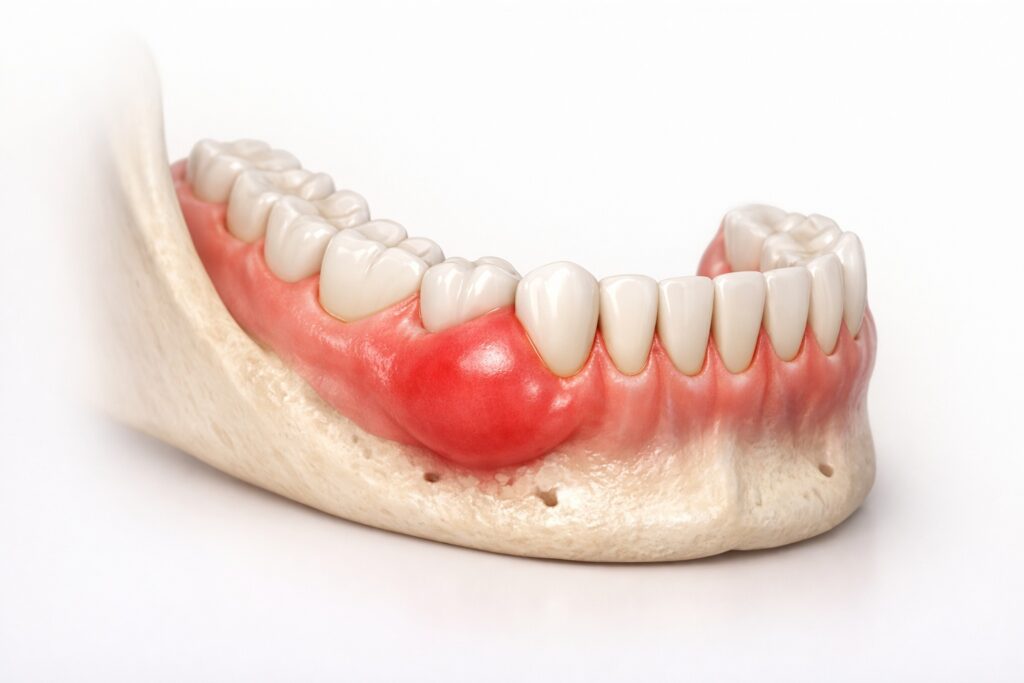
Swelling of your jaw, face, or gums indicates an infection that should never be ignored.
Warning signs are often the following:
- The swelling of the gums.
- Discharge of pus around the tooth.
- A lingering unpleasant taste in your mouth.
- Facial tenderness or fever.
Rinse your mouth with warm saltwater or apply a cold compress to the outside of your face to help ease swelling, but remember these steps only offer a temporary solution.
Seek professional care to treat any infection that you have contracted.
How to Protect Your Mouth During Sports and Recreation
Most dental emergencies result from injuries sustained during sports or other recreational activities. Whether the risks come from playing youth league football or riding a bike around Maybury State Park, you are exposed to the potential for injury when playing sports near Northville Township.
Take steps to avoid injuries:
- Always wear a well-fitting mouthguard when playing sports.
- Don’t chew on ice or other hard things.
- Have regular dental check-ups to address potential problems promptly.
By taking steps to prevent damage, you can eliminate most unexpected dental emergencies.
Taking Action Quickly Protects Oral Health
A dental emergency can be an unnerving experience; nevertheless, it is important to know what to do to help protect your teeth and minimize damage. The following information is intended to help you know how to act. If you are able, take a breath, stay calm, and use this information as basic first aid before seeking professional attention.
Main Dental can help with urgent dental care, and our emergency dentist in Northville will try to evaluate you and keep you comfortable during your emergency.
If you are looking for professional care, visit us or schedule an appointment to discuss your dental problem.
Common Questions People Ask
What qualifies as a dental emergency?
A dental emergency includes severe tooth pain, knocked-out teeth, broken teeth, swelling, infection, or bleeding that does not stop. These conditions may require prompt professional evaluation to prevent further damage or complications.
Should I go to the emergency room for dental pain?
Most dental problems are best treated by a dental professional. However, if severe swelling, fever, or breathing difficulty occurs, a visit to an emergency medical facility may be necessary.
Can a knocked-out tooth be saved?
Yes, in many cases, a knocked-out tooth can be preserved if it is handled properly and treated promptly. Keeping the tooth moist and seeking professional care immediately increases the chances of successful treatment.
How long can I wait with a broken tooth?
Even if the pain is mild, a broken tooth should be evaluated soon. Cracks may worsen over time, exposing the inner layers of the tooth.