
If you’ve been researching veneers, you’ve likely hit the same question: porcelain or composite? When weighing porcelain vs. composite veneers and which actually lasts longer in Northville, the answer depends on more than just material. It comes down to your lifestyle, your goals, and your budget. At Main Dental, Dr. Amanda Remer-Chang helps patients navigate this decision every day. This article breaks down both options so you can walk into your consultation feeling informed.
Understanding the Two Types of Veneers
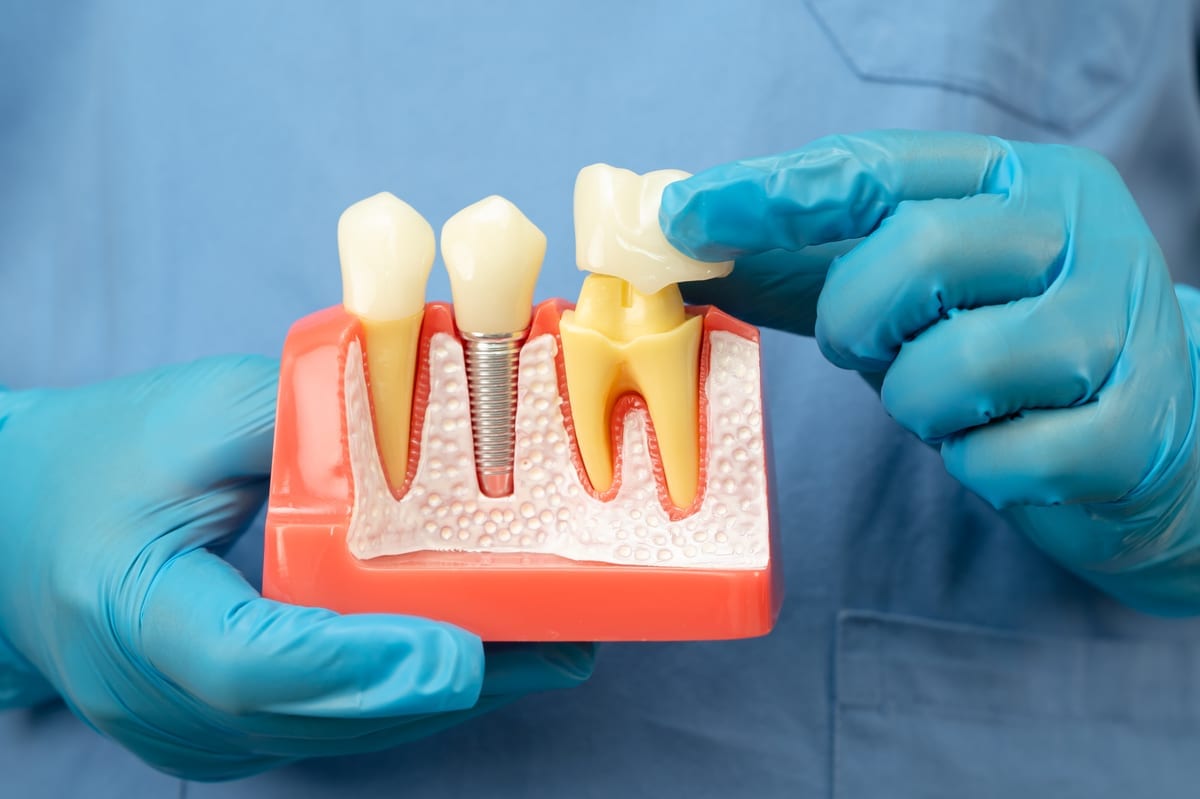
Veneers are thin shells placed over the front surface of teeth. They improve the shape, color, and overall appearance of your smile. Both porcelain and composite resin can achieve beautiful results, but they differ significantly in how they’re made and applied.
Porcelain veneers are custom-crafted in a dental lab. Dr. Remer-Chang removes a small layer of enamel, takes impressions, and sends them off for fabrication. You typically return one to two weeks later for placement. The final result is a highly natural, stain-resistant shell bonded permanently to your tooth.
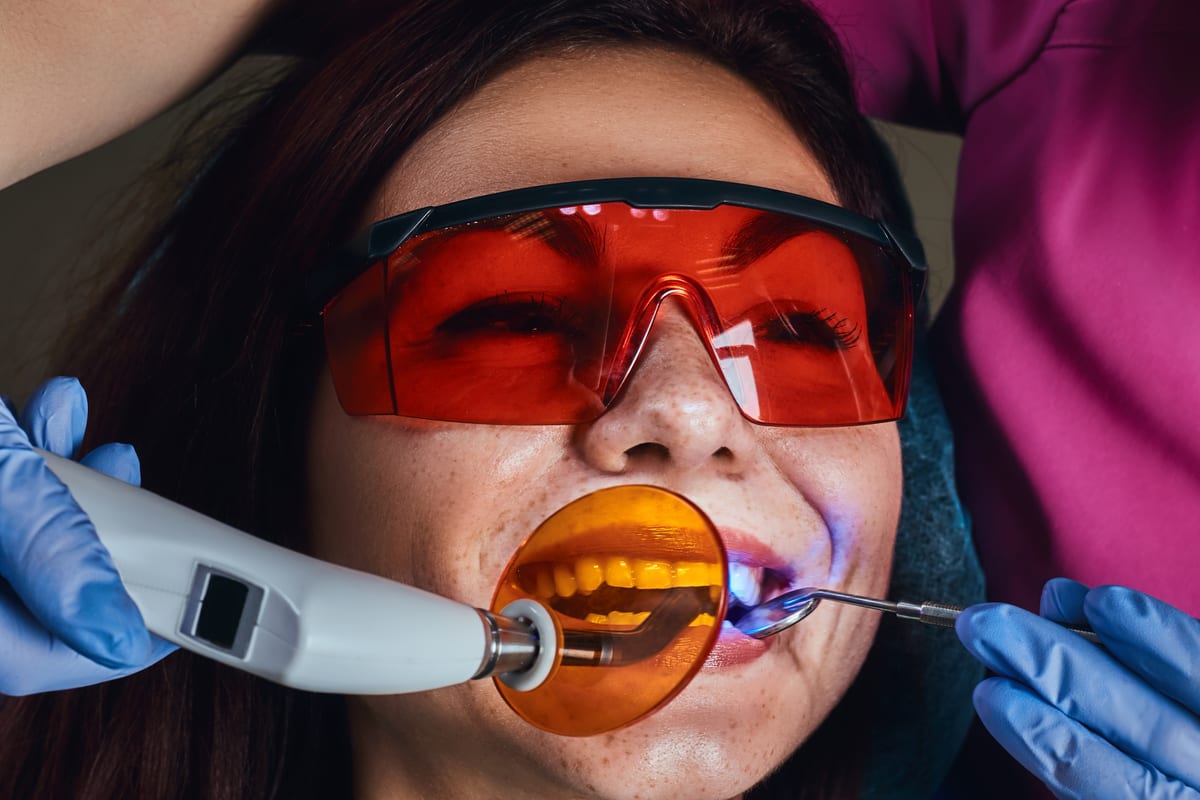
Composite resin veneers are applied directly in the office. The dentist sculpts tooth-colored resin onto your enamel in a single visit. Less enamel removal is required, making this a more conservative option. The process is also fully reversible in many cases.
Porcelain vs. Composite Veneers: Durability and Longevity in Northville
When Northville patients ask which veneer type lasts longer, porcelain consistently wins. Porcelain veneers typically last 10 to 20 years with proper care. Composite veneers generally last 5 to 7 years before needing replacement or repair.
Porcelain is harder and more resistant to chipping under normal use. It also resists staining from coffee, tea, and red wine far better than composite. Composite resin is porous, meaning it can discolor over time with dietary habits common to most patients.
That said, durability isn’t just about the material. Your bite, oral hygiene habits, and whether you grind your teeth all play a role. Dr. Remer-Chang evaluates these factors before recommending either option.
Aesthetics: Which Veneer Looks More Natural?
Porcelain closely mimics the translucency of natural tooth enamel. Light passes through it in a way that looks incredibly lifelike. For patients seeking a dramatic smile transformation, porcelain is typically the preferred choice.
Composite resin has improved greatly over the years. Skilled dentists can create beautifully natural results using composite, especially for minor corrections. However, composite can look slightly less luminous than porcelain under certain lighting conditions.
For patients with significant discoloration, chipping, or gaps, porcelain veneers offer a more complete aesthetic solution. Composite works exceptionally well for smaller corrections or patients who want to try veneers before committing to porcelain.
Cost, Repairability, and the Right Fit for Your Lifestyle
Cost is one of the biggest differences between these two options. Composite veneers are generally less expensive per tooth than porcelain. This makes them accessible for patients who want cosmetic improvements on a tighter timeline or budget.
However, composite veneers may need more frequent touch-ups or full replacement. Over time, the total cost can approach or exceed porcelain. Porcelain has a higher upfront cost but tends to offer better long-term value when cared for properly.
Repairability is another consideration worth noting:
- Composite veneers can be repaired chairside if they chip or crack.
- Porcelain veneers typically require full replacement if they fracture.
- Composite touch-ups are quick and can often be done in a single appointment.
- Porcelain replacements involve a new lab fabrication process.
If you’re active in sports, tend to clench your jaw, or have a history of chipping teeth, this factor matters. Dr. Remer-Chang will discuss your habits openly so you choose the right material for your real life.
What to Expect During the Veneer Process at Main Dental
Regardless of which type you choose, your journey starts with a consultation. Dr. Remer-Chang will examine your teeth, discuss your smile goals, and walk you through your options. No two patients are exactly alike, and neither is the treatment plan.
Here’s a general overview of each process:
- Composite veneers: Single visit. Minimal prep. Resin is applied and shaped directly on your teeth. Polished to a natural finish before you leave.
- Porcelain veneers: Two to three visits. Enamel is gently removed. Impressions are taken. Temporary veneers are placed while your permanent ones are crafted in a lab.
Both options require proper aftercare. Brushing twice daily, flossing, and attending regular cleanings at Main Dental will extend the life of either veneer type. Avoiding biting hard objects like ice or pen caps protects your investment.
We serve patients throughout Northville and the surrounding communities. Whether you’re coming in for veneers, Emergency Care Northville, or a routine checkup, our team provides care that meets you where you are.
So, Which Veneer Is Right for You in Northville?
The honest answer is: it depends on your goals and your specific dental situation. If you want the longest-lasting, most stain-resistant, most natural-looking result — porcelain is likely your best option. If you want a fast, affordable, low-commitment improvement — composite is an excellent starting point.
Many of our Northville patients are surprised to learn that composite can be a great trial option. You can see how veneers look and feel before making a longer-term commitment to porcelain. Dr. Remer-Chang respects patient autonomy and never pushes one option over another without clinical reason.
Curious what other patients think about their smile transformations? Read our Invisalign Testimonials Northville to see how life-changing a confident smile can be. That same dedication to results applies to every cosmetic service we offer, including veneers.
Your smile is one of the first things people notice about you. Choosing the right veneer material is a meaningful decision, and you deserve a dentist who takes the time to explain it clearly. At Main Dental, we do exactly that. Book Now to schedule your appointment with our team.
Frequently Asked Questions
How long do porcelain veneers last compared to composite veneers?
Porcelain veneers typically last between 10 and 20 years with proper care. Composite resin veneers generally last 5 to 7 years before needing replacement or significant touch-ups. Porcelain offers greater longevity due to its hardness and stain resistance.
Can composite veneers be repaired if they chip?
Yes. One advantage of composite veneers is that they can often be repaired chairside in a single visit. If a composite veneer chips or cracks, Dr. Remer-Chang can add and reshape the resin directly. Porcelain veneers typically require full replacement if they fracture.
Are veneers painful to get?
The veneer process is generally comfortable for most patients. Local anesthetic is used during enamel preparation to keep you at ease. Composite veneers involve very little prep, making them even more comfortable for patients who are sensitive to dental procedures.
Is enamel removal required for both types of veneers?
Porcelain veneers require removing a thin layer of enamel to ensure a proper fit and natural look. Composite veneers typically require very little to no enamel removal, making them a more reversible option. Dr. Remer-Chang will explain exactly what preparation is needed during your consultation.
How do I maintain veneers long-term?
Both veneer types benefit from consistent oral hygiene — brushing twice daily and flossing regularly. Avoid biting hard objects like ice, fingernails, or hard candies. Regular dental cleanings at Main Dental help catch any early wear or issues before they become larger problems.