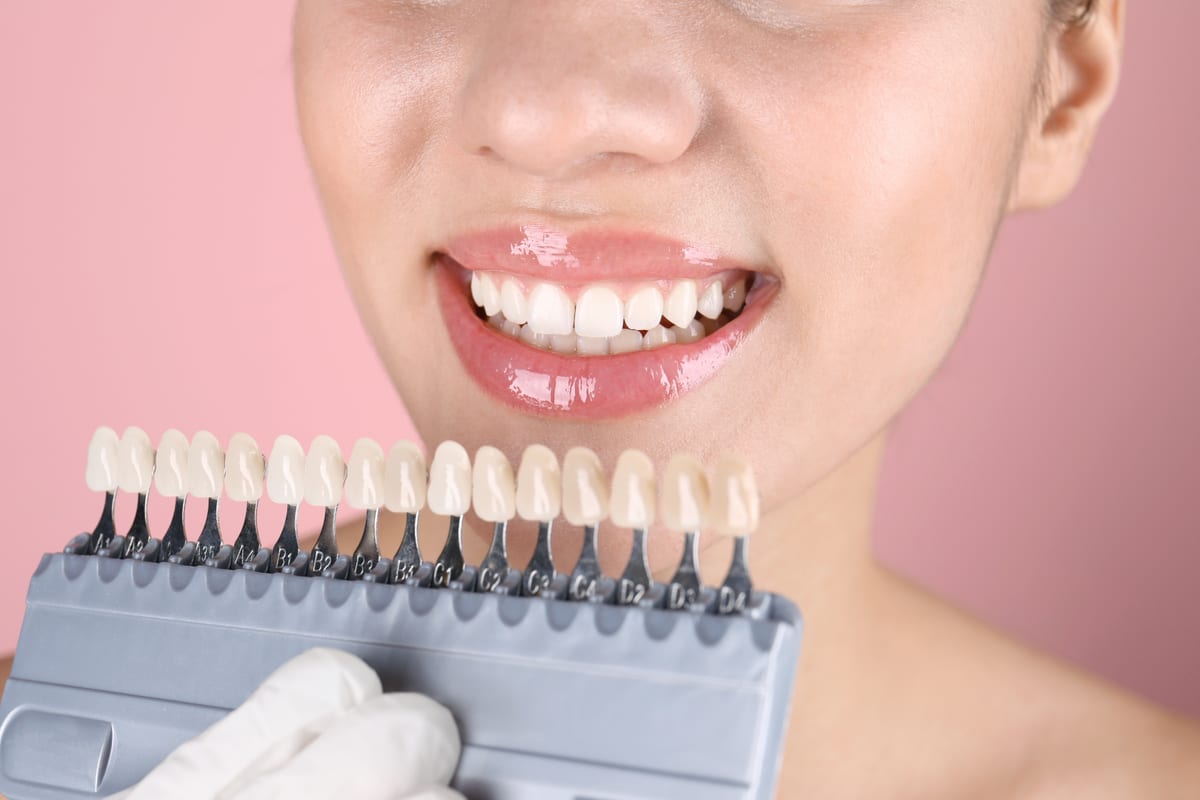

Dental Crowns Plymouth: Comparing Your Restoration Options
Dental Crowns Plymouth treatments offer patients a proven way to restore damaged teeth. However, crowns aren’t the only option available when your tooth needs repair or protection. Understanding the differences between crowns, veneers, and onlays helps you make the best choice for your oral health.
Dr. Amanda Remer-Chang at Main Dental sees patients from Plymouth and throughout the surrounding communities. Many arrive unsure which restoration will serve them best long-term. This guide breaks down how these three popular treatments compare, helping you approach your consultation with confidence.
As graduation season approaches in Plymouth, many families schedule dental visits before summer activities begin. This timing provides an excellent opportunity to address tooth damage that has been postponed. Choosing the right restoration now means enjoying summer without dental concerns.
Understanding Dental Crowns Plymouth: What They Are and When You Need Them
A dental crown is a cap that covers the entire visible portion of a tooth above the gum line. Crowns restore teeth that have suffered extensive decay, large fractures, or structural weakness. They can also improve appearance while providing protection.
Dentists recommend crowns when a tooth has lost significant structure. Root canal treated teeth often need crowns because the procedure removes internal tooth material. Large fillings that compromise tooth integrity also benefit from crown coverage.
Crowns require reshaping the natural tooth to create space for the restoration. This preparation removes a thin layer of enamel all around the tooth. The crown then fits over this prepared structure like a protective helmet.
Modern crowns come in several materials including porcelain, ceramic, and porcelain-fused-to-metal options. Each material offers different benefits for strength, aesthetics, and longevity. Your dentist will recommend the best option based on the tooth location and your specific needs.
Dental Crowns vs. Porcelain Veneers: Key Differences
Veneers offer an alternative for teeth that need primarily cosmetic improvement rather than full structural restoration. These thin shells bond to the front surface of teeth to change color, shape, or minor alignment issues. Understanding how veneers differ from crowns helps clarify which treatment suits your situation.
Dental Crowns Plymouth – Pros:
- Provide complete protection by covering the entire tooth surface
- Restore severely damaged or weakened teeth effectively
- Offer maximum strength for teeth needing structural support
- Work for both front and back teeth regardless of damage extent
- Last 10-15 years or longer with proper care
Dental Crowns Plymouth – Cons:
- Require removal of more natural tooth structure during preparation
- Cost more than veneers due to laboratory work and materials
- Need two appointments typically with temporary crown between visits
- May eventually require replacement as restoration ages
Porcelain Veneers – Pros:
- Preserve more natural tooth structure with minimal preparation
- Create beautiful aesthetic results for front teeth
- Correct multiple cosmetic issues simultaneously
- Resist staining better than natural enamel
- Require less tooth reduction than full crowns
Porcelain Veneers – Cons:
- Only suitable for teeth with minor structural issues
- Work primarily for cosmetic concerns rather than major damage
- Not appropriate for teeth with extensive decay or fractures
- May not provide enough protection for significantly weakened teeth
- Best suited for front teeth visible when smiling
The deciding factor often comes down to tooth health. Veneers work beautifully when your tooth structure remains mostly intact. Crowns become necessary when damage extends deeper or affects structural integrity. Many Plymouth patients appreciate learning about both options during their consultation appointment.
Dental Crowns vs. Inlays and Onlays: The Middle Ground Option
Inlays and onlays represent a conservative alternative between fillings and full crowns. These partial restorations replace only the damaged portion of a tooth rather than covering it completely. They work well for teeth with moderate damage that doesn’t require full crown coverage.
An inlay fits within the cusps of a tooth, similar to a filling but fabricated in a dental laboratory. An onlay extends over one or more cusps, providing more coverage than an inlay but less than a full crown. Both preserve more natural tooth structure than traditional crowns.
Dental Crowns Plymouth – Pros:
- Provide comprehensive protection for extensively damaged teeth
- Strengthen teeth that have lost significant structure
- Prevent further cracking or breaking in weakened teeth
- Replace old crowns that have worn out or failed
- Work regardless of damage location or extent
Dental Crowns Plymouth – Cons:
- Remove more tooth structure than conservative alternatives
- Represent the most extensive restoration option available
- May be unnecessary if damage remains limited
- Cost more than partial restorations like onlays
Inlays and Onlays – Pros:
- Preserve maximum natural tooth structure possible
- Provide stronger restoration than traditional fillings
- Cost less than full crown coverage typically
- Offer excellent longevity with proper maintenance
- Look natural and blend seamlessly with surrounding teeth
Inlays and Onlays – Cons:
- Only appropriate for teeth with limited to moderate damage
- Cannot restore teeth with extensive structural loss
- May not provide enough protection for severely weakened teeth
- Still require tooth preparation and laboratory fabrication
- Not suitable for teeth requiring root canal treatment
The cold snowy winters in Plymouth can lead to tooth sensitivity and temperature-related discomfort. Both crowns and onlays address this issue by covering exposed tooth surfaces. However, crowns provide more complete insulation for teeth with significant sensitivity problems.
How to Choose Between Dental Restoration Options
Selecting the right restoration depends on several factors beyond personal preference. The extent of tooth damage plays the primary role in determining which treatment will succeed long-term. Your dentist evaluates these considerations during examination.
Tooth location matters significantly in restoration choice. Back teeth endure enormous chewing forces and typically need the strength only crowns provide. Front teeth may do well with veneers if damage remains minimal and primarily cosmetic.
The amount of remaining tooth structure guides restoration selection. Teeth with substantial healthy structure remaining may qualify for conservative onlays. Teeth with extensive damage or large existing fillings usually require full crown coverage for adequate protection.
Your oral habits influence which restoration works best. Patients who clench or grind their teeth need extremely durable restorations. Those with excellent oral hygiene and gentle biting patterns may succeed with less extensive treatments.
Budget considerations affect treatment planning though quality should never be compromised. Discussing all viable options with your dentist ensures you understand both ideal and acceptable alternatives. Many practices including Main Dental work with patients to find solutions that balance clinical needs with practical considerations.
Previous dental work impacts current restoration choices. A tooth that already has a crown typically needs another crown rather than downgrading to a partial restoration. Fresh damage to an otherwise healthy tooth might qualify for conservative treatment.
Making Your Decision: Working With Your Plymouth Dentist
The best restoration choice emerges through partnership between you and your dental team. Dr. Remer-Chang examines your tooth thoroughly, often using digital imaging to assess damage invisible to the naked eye. This evaluation reveals exactly how much structure remains and what protection the tooth requires.
Bringing questions to your consultation helps you participate actively in treatment planning. Ask about the lifespan of each option, what the procedure involves, and how to maintain your restoration long-term. Understanding these details reduces anxiety and builds confidence in your decision.
Many Plymouth families schedule dental appointments during late spring before summer activities begin. This timing allows healing to occur before vacation plans and graduation celebrations. Planning ahead ensures your smile looks and feels great for all those important photos.
Some situations leave no choice between restoration types. A tooth requiring root canal treatment must have a crown for adequate protection afterward. However, when multiple options exist, your preferences regarding appearance, longevity, and tooth preservation all matter in the final decision.
Trust develops when your dentist explains recommendations clearly without pressure. The goal focuses on your long-term oral health rather than pushing any particular treatment. Quality practices prioritize education so you understand exactly what your teeth need and why.
Dental Crowns Plymouth treatments have helped countless patients preserve teeth that might otherwise be lost. Whether you ultimately need a crown, veneer, or onlay, choosing the appropriate restoration protects your investment in your smile. Learn More about how we can help you.
Frequently Asked Questions
How long do dental crowns last compared to other restorations?
Dental crowns typically last 10 to 15 years with proper care, and many last even longer. Veneers usually last 7 to 15 years, while inlays and onlays can last 10 to 30 years depending on location and care. Longevity depends on oral hygiene, eating habits, and whether you grind your teeth. Regular checkups help identify problems early and extend restoration lifespan.
Can a crown be replaced with a less extensive restoration later?
Once a tooth has been prepared for a crown, it generally needs crown coverage permanently. The preparation process removes tooth structure, leaving insufficient material to support a veneer or partial restoration. However, if a crown fails, your dentist evaluates whether the underlying tooth remains healthy enough for a new crown or if other treatment becomes necessary.
Do dental crowns look natural or will people notice them?
Modern dental crowns made from porcelain or ceramic materials look extremely natural. Your dentist matches the color to your surrounding teeth and creates realistic translucency and texture. All-ceramic crowns work especially well for front teeth where appearance matters most. Most people cannot distinguish a well-made crown from natural teeth in normal conversation and photos.
Is getting a crown painful or does it require extensive recovery?
The crown preparation appointment uses local anesthesia, so you feel no pain during the procedure. Afterward, you may experience mild sensitivity for a few days, especially to temperature changes. Most patients return to normal activities immediately with only minor dietary modifications while wearing a temporary crown. Once the permanent crown is placed, any residual sensitivity typically resolves within a week or two.
Which restoration option works best for teeth that show when you smile?
For front teeth with minimal damage, porcelain veneers often provide the most aesthetic result with the most conservative treatment. However, if the tooth has significant decay, large fillings, or structural damage, a crown becomes necessary regardless of location. All-ceramic crowns also deliver beautiful results for front teeth when needed. Your dentist evaluates both the health and appearance requirements to recommend the best option for visible teeth.