
If you’ve been Googling veneers vs. bonding and which smile fix actually lasts longer in Novi, you’re not alone. Many patients near Novi, MI come to Main Dental with chipped, discolored, or uneven teeth. They want results — but they also want to make a smart, informed decision. Dr. Amanda Remer-Chang is here to break it all down clearly.
Cosmetic Dentistry has given patients two strong options for smile correction: porcelain veneers and dental bonding. Both can transform your teeth. But they work differently, cost differently, and last very differently. Understanding those differences helps you choose the right path for your smile.
What Are Veneers and How Do They Work?
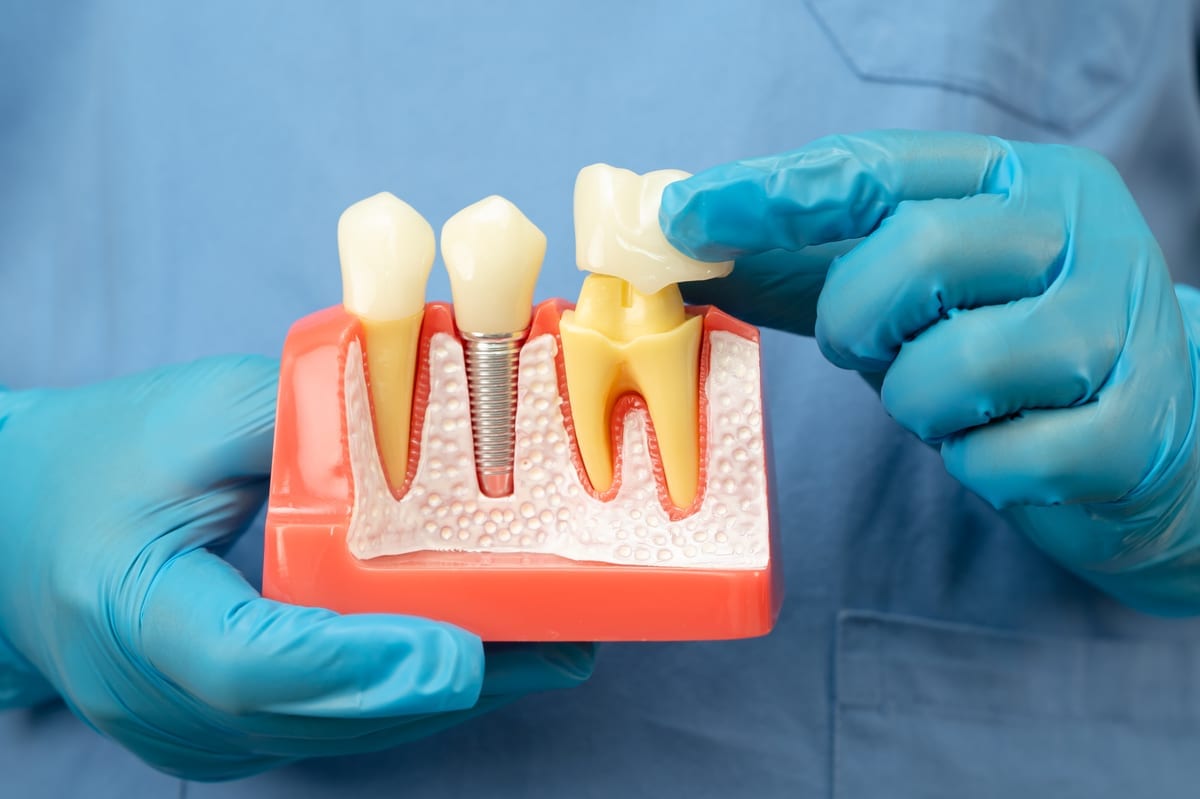
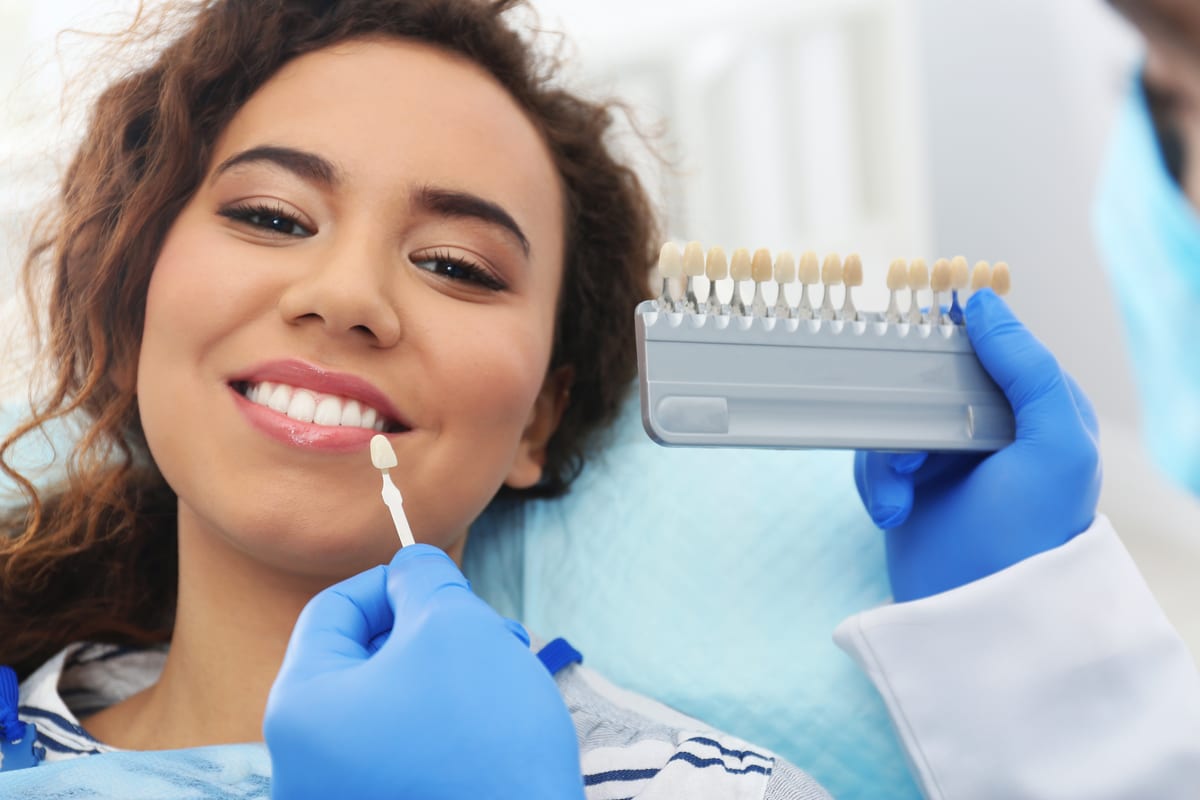
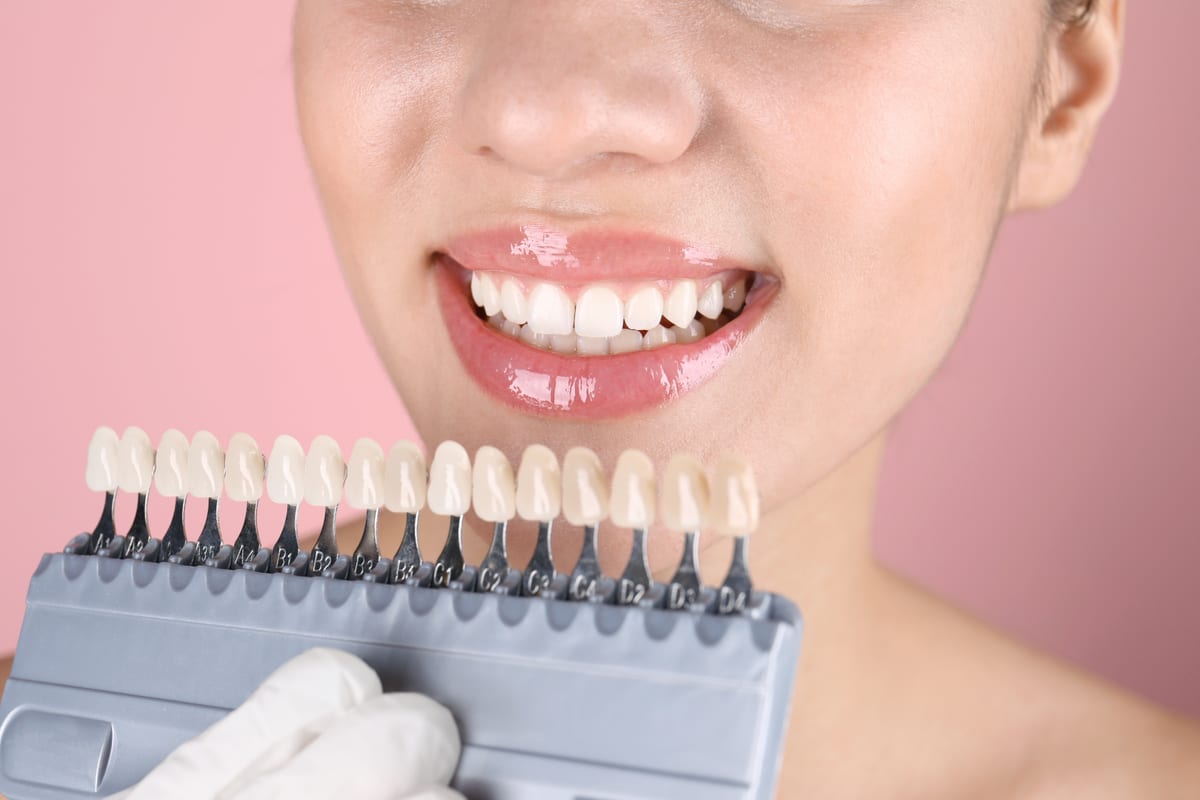
Porcelain veneers are thin shells custom-made to cover the front surface of your teeth. Dr. Remer-Chang bonds them permanently to your enamel after light preparation. They are designed to look completely natural in your smile.
The process typically takes two appointments. During the first visit, a small amount of enamel is gently removed. An impression is taken and sent to a dental lab. Custom veneers are fabricated and bonded at your second visit.
Veneers address a wide range of cosmetic concerns, including:
- Deep or stubborn discoloration that whitening cannot fix
- Chipped or cracked front teeth
- Slight misalignment or gaps between teeth
- Uneven tooth length or shape
- Worn enamel affecting your smile appearance
Because some enamel is removed, veneers are considered an irreversible treatment. That’s an important factor to weigh before committing.
What Is Dental Bonding and When Does It Make Sense?
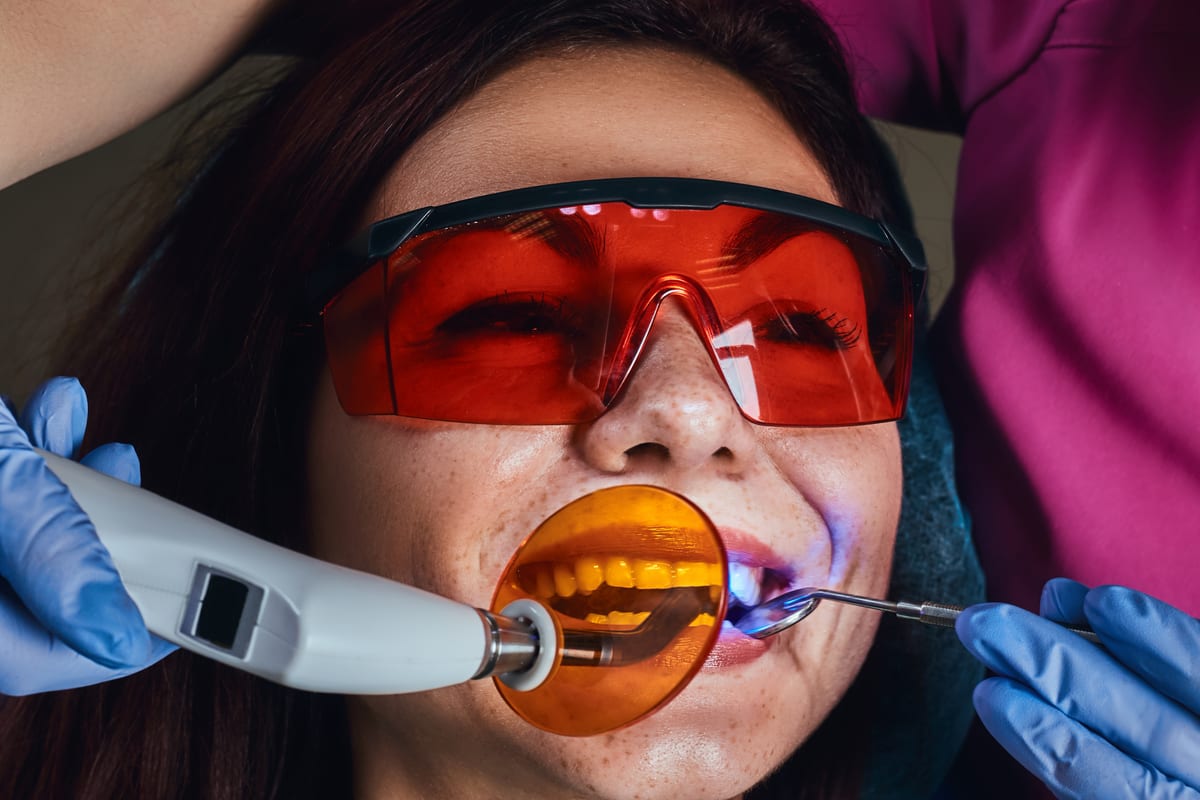
Dental bonding uses a tooth-colored composite resin applied directly to your tooth. Dr. Remer-Chang sculpts and hardens the material in a single visit. No lab work is needed, and the process is quick.
Bonding is minimally invasive. In most cases, little to no enamel is removed. That makes it a reversible and conservative option for many patients.
Bonding works well for the following situations:
- Small chips or minor cracks on front teeth
- Closing small gaps between teeth
- Reshaping mildly uneven teeth
- Covering surface stains on a single tooth
- Repairing a tooth without a crown
It’s also one of the more budget-friendly cosmetic options available. For patients wanting a quick fix with minimal commitment, bonding is often the first recommendation.
Veneers vs. Bonding: Longevity, Cost, and Real Results in Novi
This is where the comparison gets most important. When Novi patients ask about longevity, the numbers tell a clear story. Porcelain veneers typically last 10 to 20 years with proper care. Dental bonding usually lasts 5 to 10 years before it chips or stains.
Composite resin is more porous than porcelain. It can stain from coffee, tea, and wine over time. Porcelain resists staining far better and holds its appearance longer.
From a cost standpoint, bonding is more affordable per tooth upfront. Veneers require a larger initial investment. However, because veneers last longer, many patients find the long-term value comparable.
Here’s a quick side-by-side summary to guide your thinking:
- Veneers: 10–20 year lifespan, stain-resistant porcelain, requires enamel removal, two visits
- Bonding: 5–10 year lifespan, can stain over time, minimal enamel removal, single visit
- Best for multiple teeth: Veneers offer more consistent long-term results
- Best for minor fixes: Bonding is faster, more affordable, and less invasive
Dr. Remer-Chang always tailors her recommendation to your specific goals, budget, and dental health. There is no one-size-fits-all answer here.
Which Option Is Right for You in Novi?
Your choice between veneers and bonding depends on several personal factors. Consider what you’re trying to correct and how long you want results to last. Think about how much enamel you’re comfortable removing and your overall budget.
Bonding may be the better starting point if you have a single chipped tooth or mild discoloration. It’s quick, affordable, and reversible. If you want a dramatic, lasting transformation across multiple front teeth, veneers are likely the stronger investment.
It’s also important to consider your overall oral health first. Active gum disease or decay must be addressed before any cosmetic treatment begins. Dr. Remer-Chang may recommend Gum Disease Treatment as a first step if needed. Healthy gums and teeth form the foundation of any successful cosmetic result.
Patients from Novi, Northville, and the surrounding area trust Dr. Remer-Chang to give honest, patient-centered guidance. She won’t recommend a more expensive treatment when a simpler one will serve you just as well.
What to Expect at Your Smile Consultation at Main Dental
Dr. Remer-Chang starts every cosmetic consultation with a thorough examination. She reviews your dental history and discusses your goals in detail. She uses digital imaging to help you visualize potential outcomes.
From there, she explains your options clearly — including veneers, bonding, and other treatments that may apply. You’ll leave with a full understanding of timelines, investment, and expected results. No pressure, no rush, just honest guidance tailored to you.
Main Dental serves patients throughout Northville, Novi, and surrounding communities. Our team is committed to helping you feel confident in every decision you make about your smile.
Conclusion: Make the Right Choice for Your Smile
Comparing veneers vs. bonding comes down to your personal goals, timeline, and how long you want your results to last. Veneers offer lasting durability and a polished finish. Bonding offers a fast, affordable, and conservative correction for smaller concerns. Both are excellent options in the right situation. The best way to decide is to speak with Dr. Amanda Remer-Chang directly. Book Now to schedule your appointment with our team.
Frequently Asked Questions
How long do veneers last compared to bonding?
Porcelain veneers typically last 10 to 20 years with proper care. Dental bonding usually lasts 5 to 10 years before it may need touch-ups or replacement. Veneers are more durable and stain-resistant over the long term.
Is dental bonding a good option for front teeth?
Yes. Bonding works very well for minor chips, small gaps, and surface discoloration on front teeth. It’s completed in a single visit and requires minimal enamel removal. For more extensive corrections, veneers may be a better long-term solution.
Do veneers require removing a lot of enamel?
Veneers require removing a thin layer of enamel from the tooth’s surface. It is a small amount, but the process is irreversible. Dr. Remer-Chang will discuss this with you fully before any treatment begins so you can make an informed choice.
Can I get bonding first and upgrade to veneers later?
Yes, many patients start with bonding and later transition to veneers. Bonding is a reversible option, which makes it a good starting point. Dr. Remer-Chang can help you create a phased treatment plan that fits your timeline and goals.
Do I need healthy gums before getting veneers or bonding?
Absolutely. Healthy gums and teeth are essential before any cosmetic dental work. If gum disease or decay is present, it must be treated first. Dr. Remer-Chang will evaluate your oral health at your consultation and recommend any necessary steps before cosmetic treatment begins.