

Teeth whitening is one of the most popular smile upgrades around. But will teeth whitening actually work for you? That question deserves a real, honest answer before you invest your time or money. This candidacy guide is designed for Northville patients who want to understand exactly what whitening can and cannot do. Dr. Amanda Remer-Chang at Main Dental breaks it all down below.
How Teeth Whitening Works — And Why It Matters for Candidacy
Whitening products use peroxide-based agents to break apart stain molecules inside the tooth enamel. This process works specifically on natural tooth structure. That distinction is critical when determining whether you are a good candidate. Not every type of discoloration responds to peroxide the same way.
Teeth whitening targets extrinsic stains — those that sit on or near the surface of your enamel. Coffee, tea, red wine, and tobacco are the most common culprits. These stains tend to respond well to professional whitening treatments. Patients with surface-level staining typically see the most dramatic results.
Intrinsic stains are a different story. These stains develop inside the tooth itself. They do not respond reliably to standard whitening agents. Understanding which type of staining you have is the first step in knowing whether whitening will deliver the results you want.
Who Gets the Best Results from Whitening in Northville
Patients who respond best to whitening share a few common characteristics. Knowing these can help you self-screen before booking an appointment. Here is what typically makes someone an excellent candidate:
- Natural, unrestored teeth with no crowns or veneers on front teeth
- Staining caused by food, drinks, or tobacco use
- Good overall oral health with no active gum disease
- Enamel that is reasonably intact and not heavily worn
- Realistic expectations about the degree of whitening achievable
If most of those points apply to you, professional whitening is very likely to work well. Northville patients in this category often see several shades of improvement in a single session. The results can last a year or longer with proper maintenance. Consistent touch-ups and good habits extend those results even further.
Healthy gums are also a key factor. Active Gum Disease Treatment should be completed before any whitening procedure. Treating gum disease first protects your oral tissues and helps whitening agents perform safely and effectively.
Who May Not Be a Strong Candidate — And What to Do Instead
This is where candidacy gets more nuanced. Several situations can limit how effective whitening will be for you. Being upfront about these factors saves you frustration and helps our team recommend the right path forward.
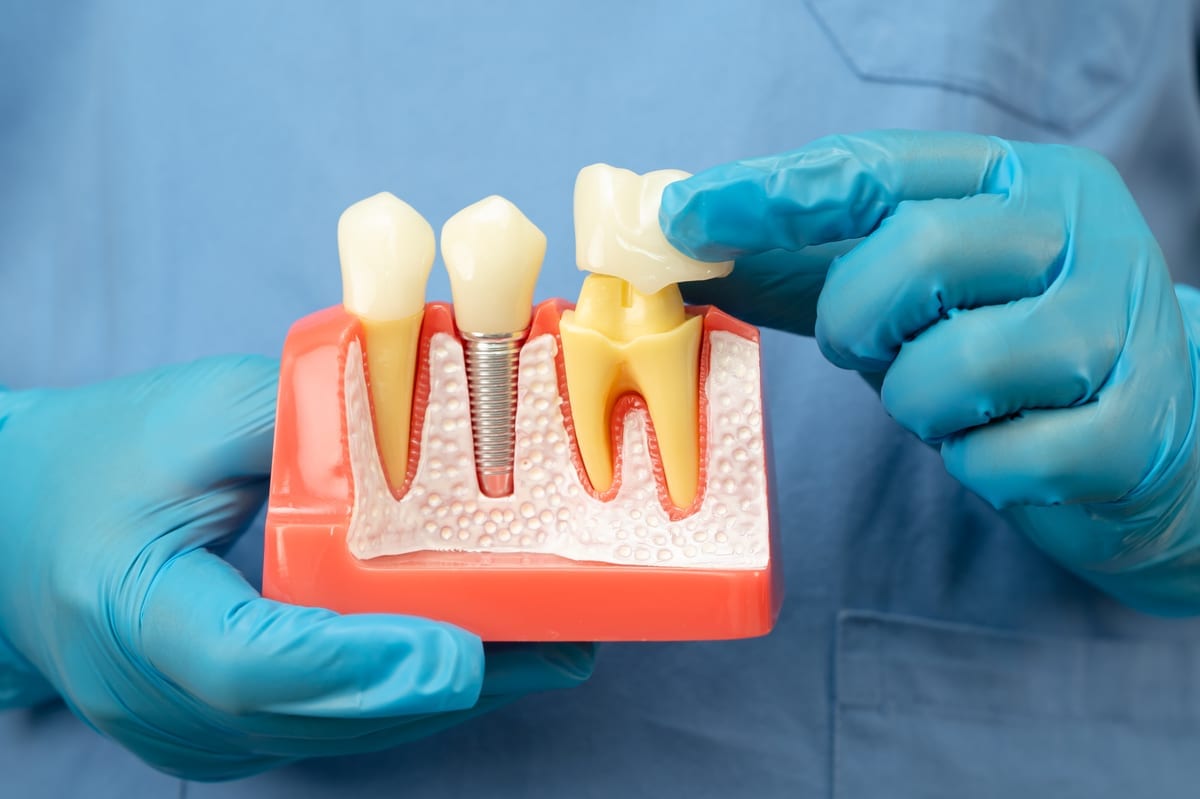
Dental restorations on visible teeth are one of the most common issues. Crowns, veneers, and tooth-colored fillings do not whiten. If you have restorations on your front teeth, whitening the surrounding natural teeth may actually create an uneven appearance. A Cosmetic Dentistry consultation can help you find a better-matched solution.
Medication-induced staining is another important factor. Tetracycline antibiotics taken during childhood can cause deep gray or brown banding inside the tooth. This type of staining is intrinsic and typically does not respond well to whitening. Patients with this history often see better outcomes with veneers or bonding instead.
Other situations that may limit whitening candidacy include:
- Significant enamel erosion or thinning
- Fluorosis — white spots or streaks from excess fluoride during development
- Tooth sensitivity that is already significant before treatment
- Gum recession that exposes root surfaces, which do not whiten
- Pregnancy or breastfeeding — whitening is typically postponed during these periods
None of these situations mean you are stuck with discoloration. They simply mean whitening alone may not be your best first option. Dr. Remer-Chang can assess your specific situation and recommend a plan that actually works for your smile.
Professional Whitening vs. Over-the-Counter Products
You have likely seen whitening strips, trays, and toothpastes at your local pharmacy. These products do contain whitening agents, but at much lower concentrations than professional treatments. For mild surface stains, they can provide some improvement. However, results are typically slower and less dramatic.
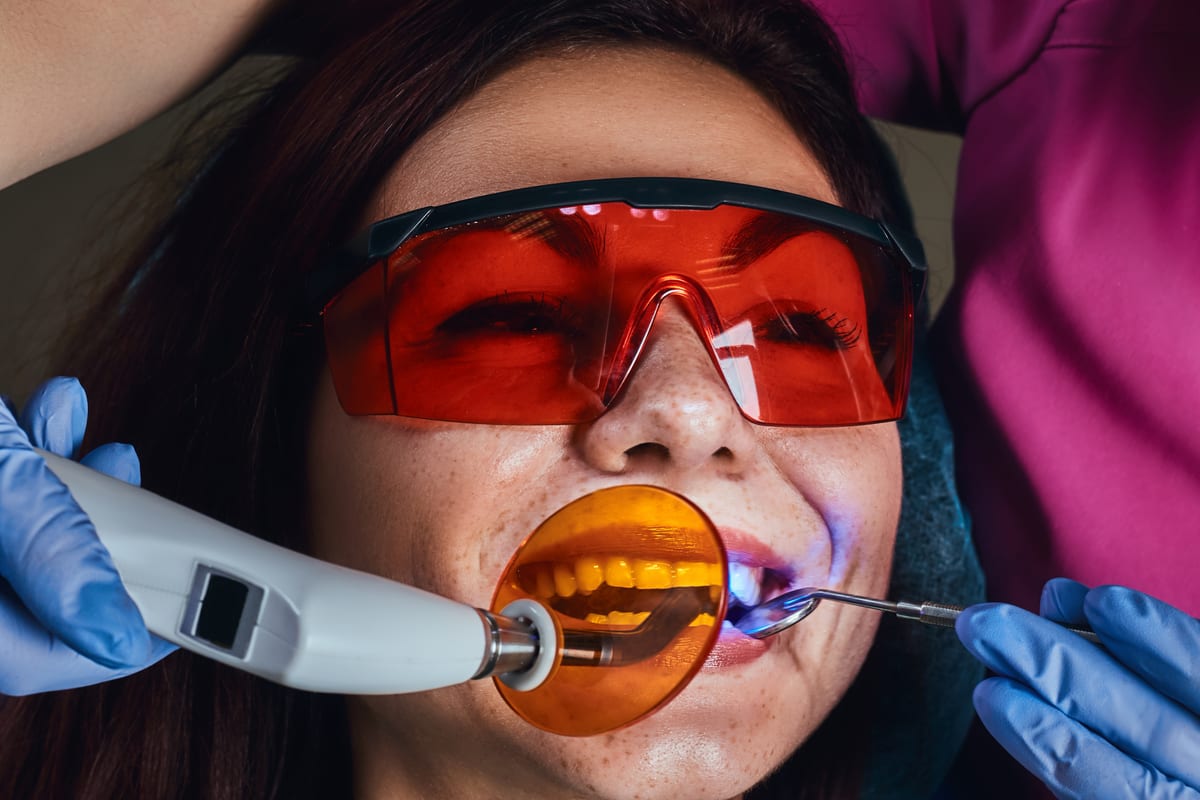
Professional whitening at Main Dental uses higher-grade peroxide formulas. The treatment is customized to your teeth and monitored by Dr. Remer-Chang throughout the process. This means better results with less risk of uneven whitening or sensitivity issues. Custom trays from our office also allow you to maintain your results at home safely.
Another key difference is that professional treatment begins with an oral health evaluation. If any cavities, gum concerns, or other issues are present, we address those first. Starting whitening on a healthy mouth leads to safer and more predictable outcomes. Over-the-counter products skip that important step entirely.
What to Expect at Your Whitening Consultation at Main Dental
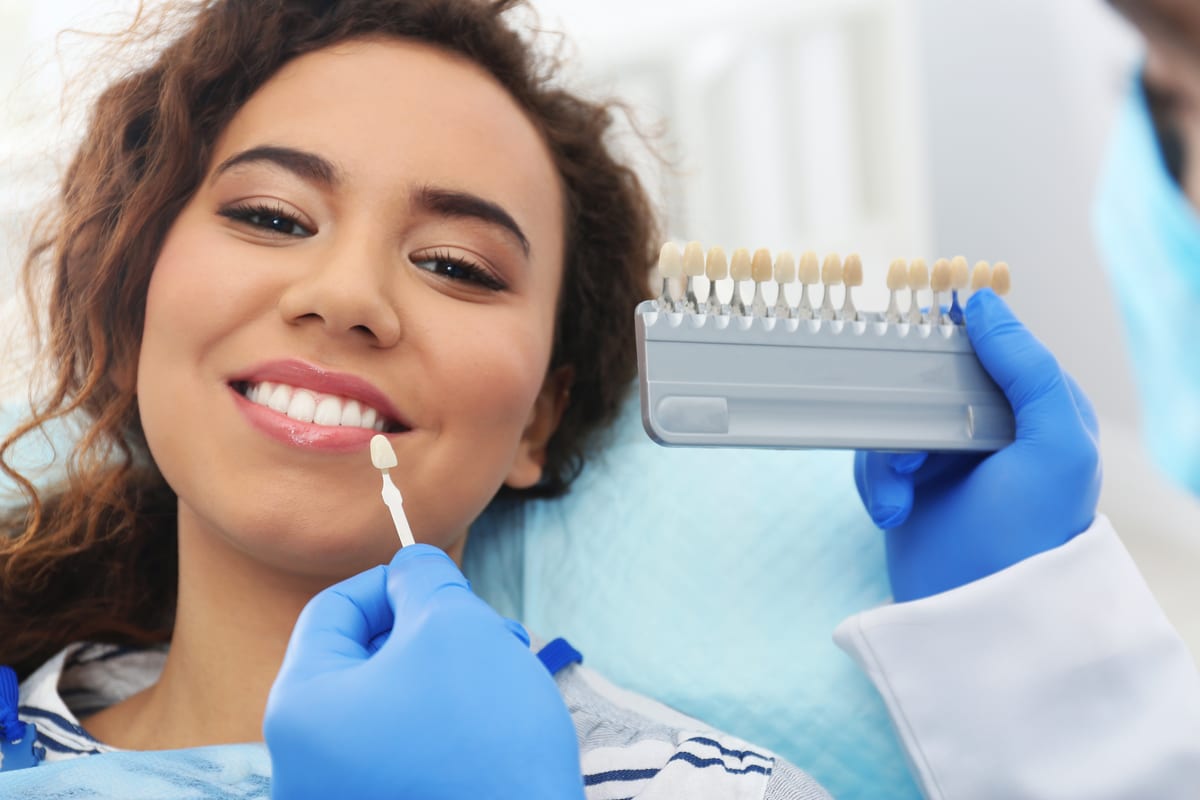
A candidacy evaluation is fast and straightforward. Dr. Remer-Chang will review your dental history, examine your teeth and gums, and discuss your goals. She will identify what type of staining is present and assess the condition of your enamel. From there, she will recommend the whitening approach most likely to deliver real results for you.
If whitening is not your best option, she will explain the alternatives clearly. Veneers, dental bonding, or other cosmetic options may be better suited to your specific needs. The goal is always to give you honest guidance — not just to sell a service. You deserve to know exactly what to expect before any treatment begins.
Northville patients appreciate this transparent, educational approach. Our team takes the time to answer your questions and make sure you feel confident moving forward. There are no surprises — just clear information and personalized care.
Frequently Asked Questions
Does teeth whitening work on crowns or veneers?
No, whitening agents do not change the color of dental crowns, veneers, or tooth-colored fillings. These restorations are made from materials that do not respond to peroxide. If you have visible restorations on your front teeth, our team can help you explore alternative cosmetic options that create a more even appearance.
How long do professional whitening results last?
Professional whitening results typically last between one and two years, depending on your lifestyle habits. Consuming staining foods and drinks frequently or using tobacco can shorten results. Regular touch-up treatments and good oral hygiene habits help maintain your brighter smile for longer.
Is teeth whitening safe for sensitive teeth?
Many patients with mild to moderate sensitivity can still undergo whitening. Dr. Remer-Chang may recommend a lower-concentration formula, desensitizing gel, or a modified treatment schedule. She evaluates sensitivity before recommending any whitening protocol to make sure the process is as comfortable as possible for you.
What causes intrinsic tooth staining that whitening cannot fix?
Intrinsic staining develops inside the tooth structure itself. Common causes include tetracycline antibiotic use during childhood, dental fluorosis, tooth trauma, or certain developmental conditions. Because these stains are embedded within the tooth, standard whitening agents cannot reach or break them down effectively. Veneers or bonding are often better alternatives.
How do I know if I am a good candidate for whitening in Northville?
The most reliable way to know is through a professional evaluation with Dr. Remer-Chang at Main Dental. She will assess the type and cause of your discoloration, the condition of your enamel, and your overall oral health. This evaluation ensures you receive a recommendation that is actually right for your teeth — not a one-size-fits-all answer. Book Now to schedule your appointment with our team.