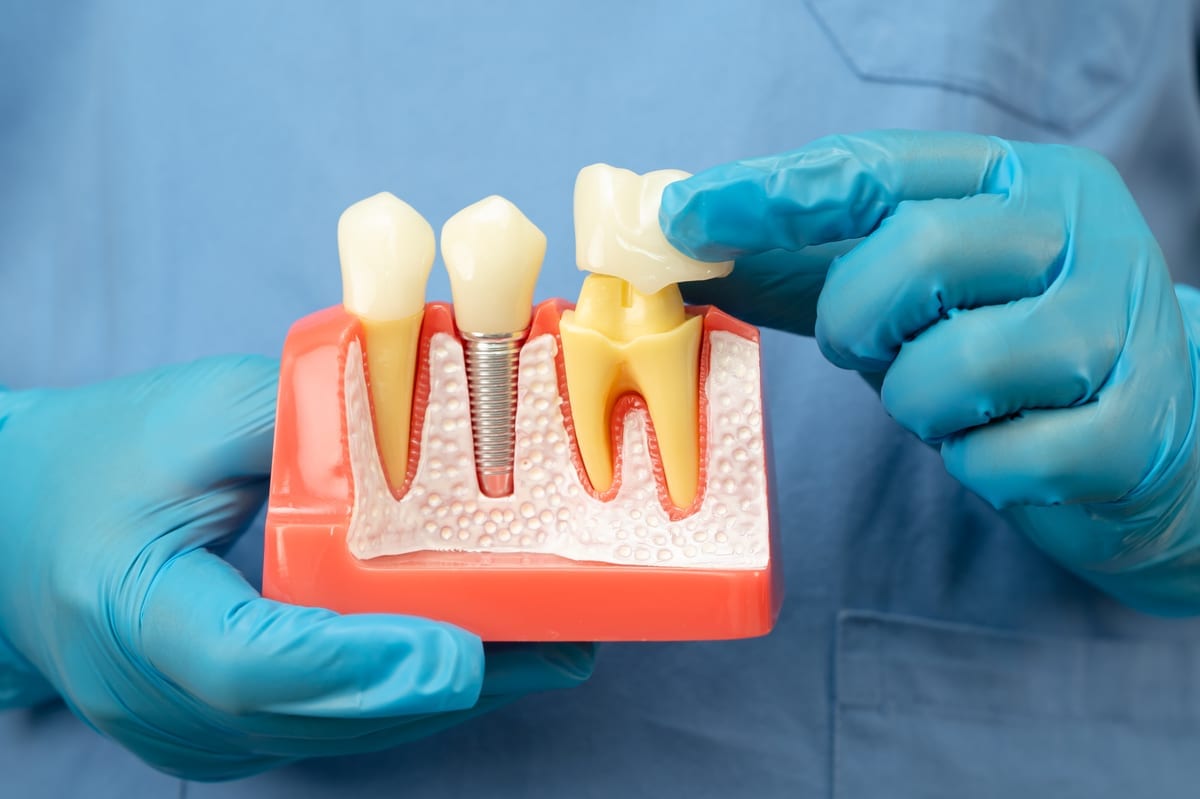


Many patients are surprised to learn that dental crowns don’t always last as long as expected. Understanding why your dental crown might not last 15 years in Plymouth can help you take better care of your smile. Crowns are strong, but they are not indestructible. Several everyday habits and health factors can quietly shorten their lifespan.
At Main Dental, Dr. Amanda Remer-Chang works with patients throughout the Northville and Plymouth areas. She helps them understand what truly affects crown longevity. This article breaks down the most common reasons crowns fail early — and what you can do about it.
How Long Should a Dental Crown Last in Plymouth?
The standard lifespan of a dental crown is typically between 10 and 15 years. Some crowns last even longer with proper care. However, many patients see crowns fail well before that window closes. The material, placement, and daily habits all play a role.
Porcelain crowns are popular for their natural appearance. They can be more prone to chipping than metal or zirconia options. Gold and metal crowns tend to be more durable but less cosmetically appealing. Your dentist will recommend the best material based on where the crown sits in your mouth.
Crowns placed on back molars face heavier chewing forces daily. This added pressure can wear them down faster. Front crowns may face less biting force but are more exposed to aesthetic wear. Knowing your crown type helps set realistic expectations.
Top Habits That Shorten Your Crown’s Lifespan
Certain habits quietly damage crowns over time. Most patients don’t realize they’re doing anything harmful. Identifying these behaviors early can make a major difference in how long your crown holds up.
- Teeth grinding (bruxism): Grinding puts extreme pressure on crowns, especially at night.
- Chewing hard foods: Ice, hard candy, and popcorn kernels can crack or chip porcelain.
- Using teeth as tools: Opening packages or bottles stresses the crown’s bond.
- Nail biting: Repeated impact chips edges and weakens the crown structure.
- Skipping dental visits: Without regular checks, small issues go unnoticed until they become major.
Bruxism is one of the leading causes of premature crown failure. Many patients grind their teeth during sleep without knowing it. A custom night guard from your dentist can protect both crowns and natural teeth. Dr. Remer-Chang often recommends this for patients who show signs of grinding.
Hard foods are another common culprit. Biting down on something unexpectedly hard can fracture porcelain. It’s best to avoid chewing ice or very hard nuts regularly. These small changes can add years to your crown’s life.
How Poor Oral Hygiene Affects Crown Longevity in Plymouth
A dental crown covers the tooth — but it doesn’t protect the gum line or the tooth root below. Poor oral hygiene leads to bacteria buildup around the crown’s edges. This can cause decay in the remaining natural tooth underneath. Once decay reaches beneath the crown, replacement is often necessary.
Gum disease is another serious threat to crown longevity. Inflamed or receding gums expose the crown margin, allowing bacteria to enter. If you notice bleeding, swelling, or tenderness near a crowned tooth, take it seriously. Untreated Gum Disease Treatment can accelerate crown failure significantly.
Flossing around crowns is just as important as brushing. Many patients avoid flossing near a crown out of fear of loosening it. However, gentle flossing actually protects the crown by removing plaque from the edges. Ask Dr. Remer-Chang to demonstrate the correct technique at your next visit.
Rinsing with an antibacterial mouthwash adds an extra layer of protection. It reduces bacterial load around the crown margin. Combined with twice-daily brushing and regular cleanings, this routine can meaningfully extend your crown’s life.
Warning Signs Your Crown Needs to Be Replaced
Your crown will often give you signals before it fails completely. Catching these signs early allows for a simpler fix. Waiting too long can lead to more extensive — and costly — treatment.
- Sensitivity to hot or cold: May indicate the seal has broken or decay has developed.
- Pain when biting: Could signal a crack in the crown or underlying tooth damage.
- Visible cracks or chips: Even small fractures can allow bacteria inside.
- Crown feels loose or shifts: The cement may have weakened, leaving the tooth vulnerable.
- Dark line at the gum edge: Common with older metal-based crowns as gums recede.
- Changes in bite alignment: The crown may have shifted or worn unevenly over time.
Sensitivity is often the first symptom patients notice. It doesn’t always mean the crown is failing, but it warrants a professional evaluation. Dr. Remer-Chang can use digital X-rays to assess what’s happening beneath the surface. Early detection usually means a much simpler solution.
A loose crown is a dental emergency. It exposes the prepared tooth to bacteria and trauma. If your crown feels like it’s shifting, call your dentist right away. Do not attempt to recement it at home with over-the-counter products.
How to Make Your Crown Last as Long as Possible
The good news is that most causes of early crown failure are preventable. With the right habits, many patients keep their crowns well beyond the 15-year mark. Your dentist is your best partner in making that happen.
Scheduling regular checkups every six months is essential. Your dentist will examine the crown, the surrounding gum tissue, and the bite alignment. Catching a small issue early prevents it from becoming a full replacement situation. Consistency is key to long-term success.
Wearing a night guard protects your investment if you grind your teeth. It absorbs pressure that would otherwise land on your crowns. Many patients are surprised how much better they sleep once grinding is addressed. Ask about custom-fitted options at your next appointment.
Good nutrition also plays a role in oral health. Limiting sugary foods and beverages reduces acid that erodes the cement bond. Drinking plenty of water keeps your mouth hydrated and helps rinse away debris. These lifestyle habits support both your crown and your overall dental health.
If you’re also considering cosmetic updates, pairing your crown care with Cosmetic Dentistry services can enhance both function and appearance. Dr. Remer-Chang offers a full range of solutions tailored to each patient’s unique smile goals.
Conclusion: Protect Your Crown and Your Smile
Understanding why your dental crown might not last 15 years in Plymouth puts you in control. Grinding, hard foods, poor hygiene, and missed dental visits are the biggest threats. But each of these factors is manageable with the right guidance and habits. Dr. Amanda Remer-Chang and the team at Main Dental are here to help you protect every part of your smile. Book Now to schedule your appointment with our team.
Frequently Asked Questions
How long does a dental crown typically last?
Most dental crowns last between 10 and 15 years. With excellent oral hygiene and regular dental visits, some crowns last 20 years or more. The material used and the location of the crown in your mouth also affect longevity.
Can a dental crown get a cavity underneath it?
Yes, decay can develop at the margin where the crown meets the natural tooth. This is why brushing and flossing around crowns is so important. Regular checkups allow your dentist to catch early signs of decay before they spread beneath the crown.
What happens if I ignore a loose or cracked crown?
Ignoring a damaged crown exposes the underlying tooth to bacteria and physical stress. This can lead to infection, further decay, or tooth loss. It’s best to contact your dentist as soon as you notice any changes to your crown.
Does teeth grinding really damage dental crowns?
Yes, bruxism is one of the leading causes of early crown failure. The constant pressure and friction from grinding wears down the crown surface and can crack porcelain. A custom night guard is one of the most effective ways to protect your crowns.
When should I see a dentist about my crown?
You should see a dentist if you notice sensitivity, pain, looseness, visible cracks, or changes in your bite. Even without symptoms, regular six-month checkups are essential for monitoring crown health. Early intervention almost always leads to a simpler and less involved solution.