
Losing a tooth — or several — is a life-changing experience. You deserve honest answers about your options. When weighing dentures vs. implants and which preserves your jaw long-term in Northville, the differences go far beyond cost. This article breaks down each option clearly so you can make a confident, informed decision with Dr. Amanda Remer-Chang at Main Dental.
Understanding Bone Loss After Tooth Loss
When a natural tooth is removed, the jaw no longer receives stimulation at that site. Without stimulation, the bone gradually resorbs — meaning it shrinks over time. This process is called alveolar bone loss, and it begins within weeks of extraction.
Bone loss affects more than appearance. It changes the structure of your face. Over years, it can cause your cheeks to appear sunken and your bite to shift. Understanding this process is essential when comparing your tooth replacement options.
The key question is simple: which replacement option communicates with your jawbone the way a natural tooth root does? The answer drives everything else in this comparison.
How Dentures Affect Your Jaw Over Time
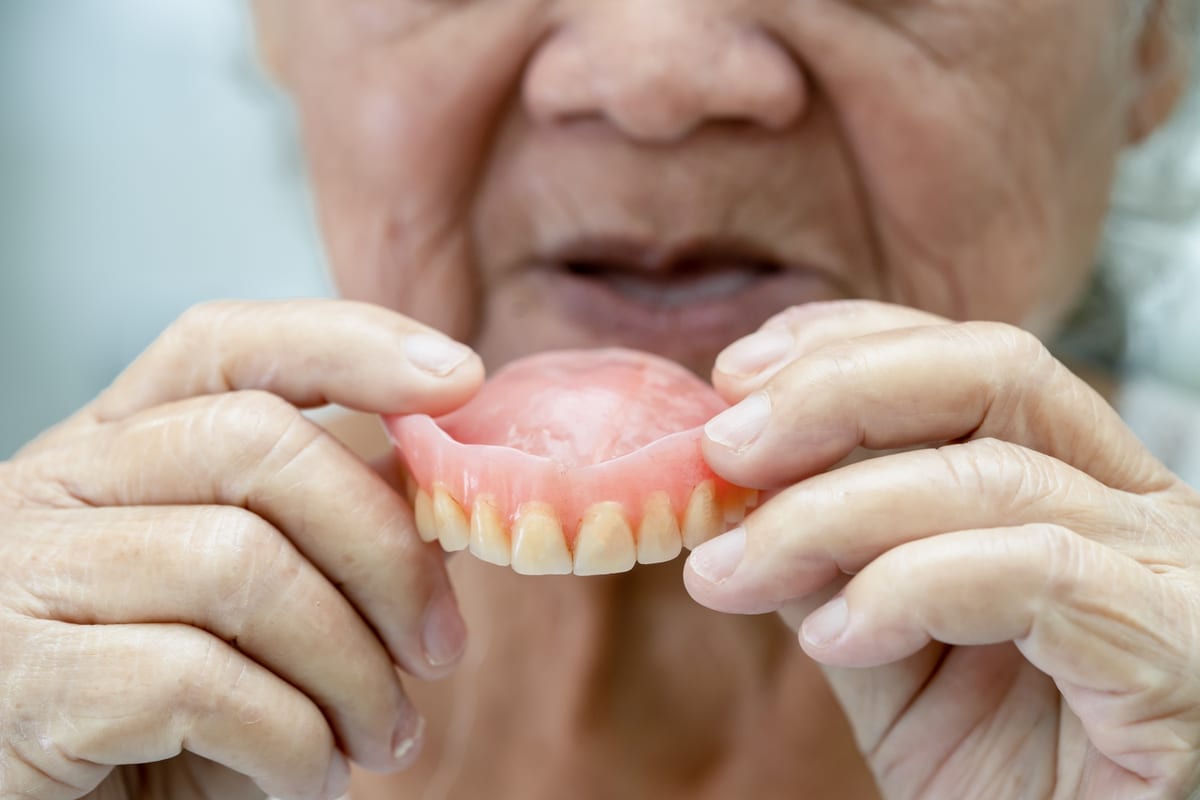
Traditional dentures rest on top of your gum tissue. They do not connect to the jawbone beneath. Because of this, they provide zero stimulation to the bone.
Over time, bone resorption continues under dentures. As the bone shrinks, dentures gradually lose their fit. Many patients need adjustments or new dentures every five to seven years as a result.
Here are some common challenges denture wearers face over the long term:
- Slipping or shifting during eating and speaking
- Sore spots from changing bone contours
- Difficulty chewing harder foods like raw vegetables or steak
- Changes in facial appearance as bone volume decreases
- Increased adhesive use as fit deteriorates
Dentures are still a valid, accessible option for many patients. However, it is important to understand these realities before choosing them. At Main Dental, we believe every patient deserves this honest picture.
How Dental Implants Preserve Jaw Bone in Northville
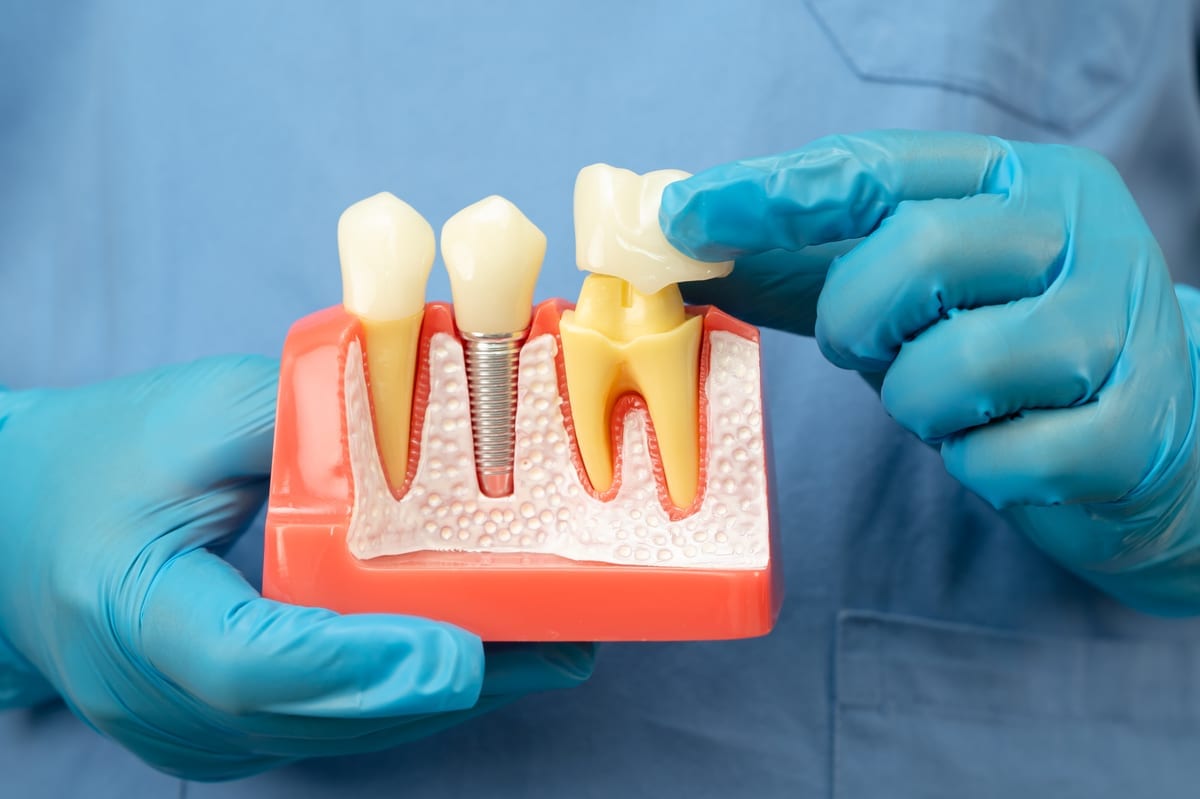
Dental implants work differently at a fundamental level. A titanium post is surgically placed directly into the jawbone. This post acts as an artificial tooth root.
When you bite and chew, forces transfer through the implant into the bone. That stimulation signals the body to maintain bone density. It mirrors what your natural tooth root did before extraction.
Here are the key long-term advantages implants offer for jaw health:
- Active bone stimulation prevents resorption at the implant site
- Facial structure is better preserved over decades
- No slipping — the implant is fixed and stable
- Chewing function closely matches natural teeth
- Adjacent teeth remain stable without shifting
- No adhesives or removal required for cleaning
For patients in Northville seeking a permanent solution, implants represent the gold standard in tooth replacement. Dr. Remer-Chang evaluates each patient individually to confirm they are a good candidate based on current bone volume and overall health.
Cost Comparison: Short-Term vs. Long-Term Investment
Cost is often the first reason patients lean toward dentures. The upfront price of dentures is significantly lower than implants. That is an honest fact worth acknowledging.
However, the long-term financial picture tells a different story. Dentures require periodic adjustments, relining, and eventual replacement. Over 20 years, those costs accumulate considerably.
Implants involve a higher initial investment. Yet they are designed to last a lifetime with proper care. Many patients find that the total cost over decades is comparable — and sometimes lower — than ongoing denture maintenance.
There is also a quality-of-life cost to consider. Patients who struggle with loose dentures often limit what they eat. They may avoid social situations due to embarrassment. These hidden costs are real, even if they do not show up on a price list.
If you are curious about financing options, Dr. Remer-Chang and the Main Dental team are happy to walk through what makes sense for your specific situation.
Which Option Is Right for You in Northville?
Not every patient is the same. The right choice depends on your health, bone volume, goals, and timeline. Some patients may not yet have enough bone density for implants without a bone graft first. Others may prefer the simplicity of dentures for personal reasons.
Implant-supported dentures offer a middle ground worth exploring. These dentures snap onto implant posts for stability. They reduce slipping and provide some stimulation to the underlying bone.
Patients in Northville exploring full mouth restoration should also consider how their choice fits into their overall smile goals. Our team provides Cosmetic Dentistry Northville services that can complement tooth replacement with a complete, confident smile. We also offer Emergency Care Northville for patients facing sudden tooth loss who need prompt guidance.
A thorough consultation with Dr. Remer-Chang includes digital imaging and a bone density assessment. This ensures we recommend what truly fits your long-term needs — not just your immediate situation.
Making Your Decision With Confidence
Choosing between dentures and implants is one of the most significant dental decisions you may ever make. It affects how you eat, speak, look, and feel for years to come. Taking time to understand the science behind each option empowers you to choose wisely.
Dentures offer accessibility and affordability upfront. Implants offer bone preservation, stability, and a lifetime of function. Both have their place, and neither choice should be made without a professional evaluation.
At Main Dental, Dr. Amanda Remer-Chang takes a patient-centered approach. She listens, educates, and supports each person through this process without pressure. Northville patients can expect honest, thorough guidance every step of the way. Book Now to schedule your appointment with our team.
Frequently Asked Questions
Do dentures stop bone loss in the jaw?
No. Traditional dentures sit on top of the gum tissue and do not stimulate the underlying bone. Without stimulation, the jawbone gradually resorbs over time. This is one of the primary reasons implants are considered superior for long-term jaw preservation.
How long do dental implants last compared to dentures?
Dental implants are designed to last a lifetime with proper oral hygiene and routine dental care. Dentures typically need relining or replacement every five to ten years as the jaw changes shape beneath them. This makes implants a more durable long-term investment for most patients.
Am I a candidate for dental implants if I have already had bone loss?
Possibly, yes. Some patients with bone loss qualify for a bone grafting procedure before implant placement. Dr. Remer-Chang conducts a full evaluation including imaging to determine whether grafting is needed and whether implants are a realistic option for your specific case.
What are implant-supported dentures and how do they differ from traditional dentures?
Implant-supported dentures attach to implant posts placed in the jaw. This provides greater stability than traditional dentures and offers some degree of bone stimulation. They are a popular middle-ground option for patients who want improved function without full individual implants at every tooth site.
How soon after a tooth extraction should I consider replacement options?
As soon as possible is the general guidance. Bone loss begins within weeks of extraction. The sooner you explore replacement options with your dentist, the more bone you preserve. Early action gives you more choices and better long-term outcomes.