

You tried whitening strips. You used whitening toothpaste for weeks. Yet your smile still looks dull or discolored. If this sounds familiar, you are not alone. Many Northville patients come to Main Dental frustrated by whitening results that just do not deliver. The truth is that not all tooth stains respond to whitening treatments the same way. Understanding intrinsic vs. extrinsic stains in Northville is the first step toward finding a solution that actually works for your unique smile.
What Are Extrinsic Stains and Why Do They Respond to Whitening?
Extrinsic stains live on the outer surface of your teeth. They form on the enamel — the hard, protective shell that covers each tooth. These stains come from everyday habits and substances you consume regularly.
Common causes of extrinsic stains include:
- Coffee and tea consumption
- Red wine and dark sodas
- Tobacco use — both smoking and chewing
- Foods like berries, tomato sauce, and soy sauce
- Poor brushing and flossing habits
Because extrinsic stains sit on the surface, whitening treatments can reach them effectively. Hydrogen peroxide and carbamide peroxide — the active ingredients in most whitening products — penetrate and break down these surface pigments. Professional whitening at Main Dental uses stronger concentrations than over-the-counter products. That means better results, faster, and with less sensitivity.
What Are Intrinsic Stains and Why Whitening Often Fails Them
Intrinsic stains are a different story entirely. These stains develop inside the tooth, within the dentin layer beneath the enamel. No whitening gel — no matter how strong — can fully eliminate them.
Intrinsic discoloration has many causes. Some happen before a tooth even erupts. Others develop gradually over time due to health events or medications.
Common causes of intrinsic stains include:
- Tetracycline antibiotic use during childhood
- Excessive fluoride exposure (dental fluorosis)
- Tooth trauma or injury that affects the pulp
- Natural aging — dentin darkens as enamel thins
- Certain medical conditions affecting enamel development
- Root canal treatment that causes internal discoloration
These stains appear gray, brown, or yellow and often have an uneven distribution. They may be subtle or very pronounced. Whitening treatments can sometimes lighten intrinsic stains slightly. However, for most patients, the improvement is minimal and disappointing.
How Dr. Amanda Remer-Chang Diagnoses Your Type of Staining in Northville
Identifying the type of stain you have is essential before recommending any treatment. Dr. Amanda Remer-Chang takes a personalized, diagnostic approach with every patient at Main Dental. She examines the color pattern, distribution, and depth of discoloration during your consultation.
She also reviews your dental and medical history. This helps identify whether past medications, injuries, or developmental factors played a role. A thorough evaluation prevents wasted time and money on treatments that will not address the real cause.
Once Dr. Remer-Chang identifies whether you have intrinsic or extrinsic stains — or a combination of both — she builds a customized treatment plan. That plan focuses on what will genuinely improve your smile, not just what sounds appealing on a label.
The Right Treatment for Each Stain Type
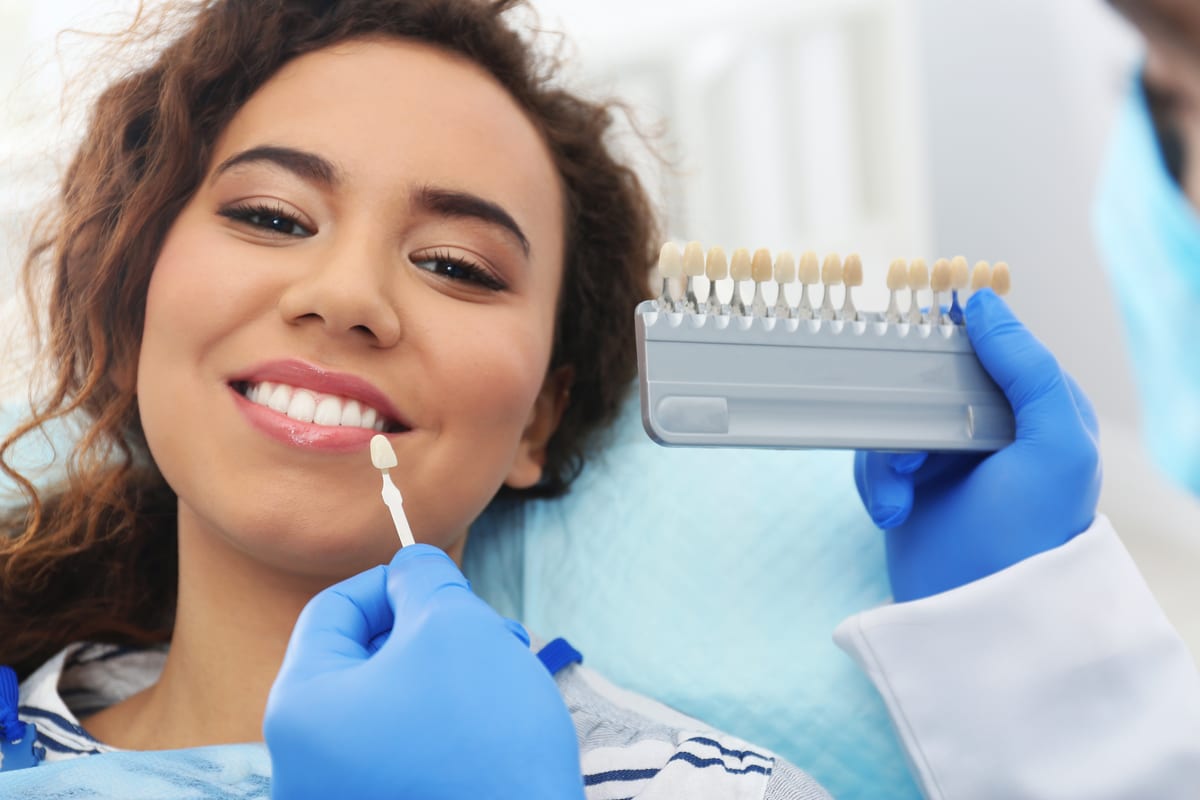
If your staining is primarily extrinsic, professional teeth whitening is an excellent first option. Main Dental offers in-office whitening for fast, dramatic results. Take-home trays with custom-fitted aligners are also available for gradual brightening at your own pace.
For intrinsic stains, the approach shifts significantly. Whitening alone will not solve the problem. Instead, Dr. Remer-Chang may recommend one of these proven cosmetic alternatives:
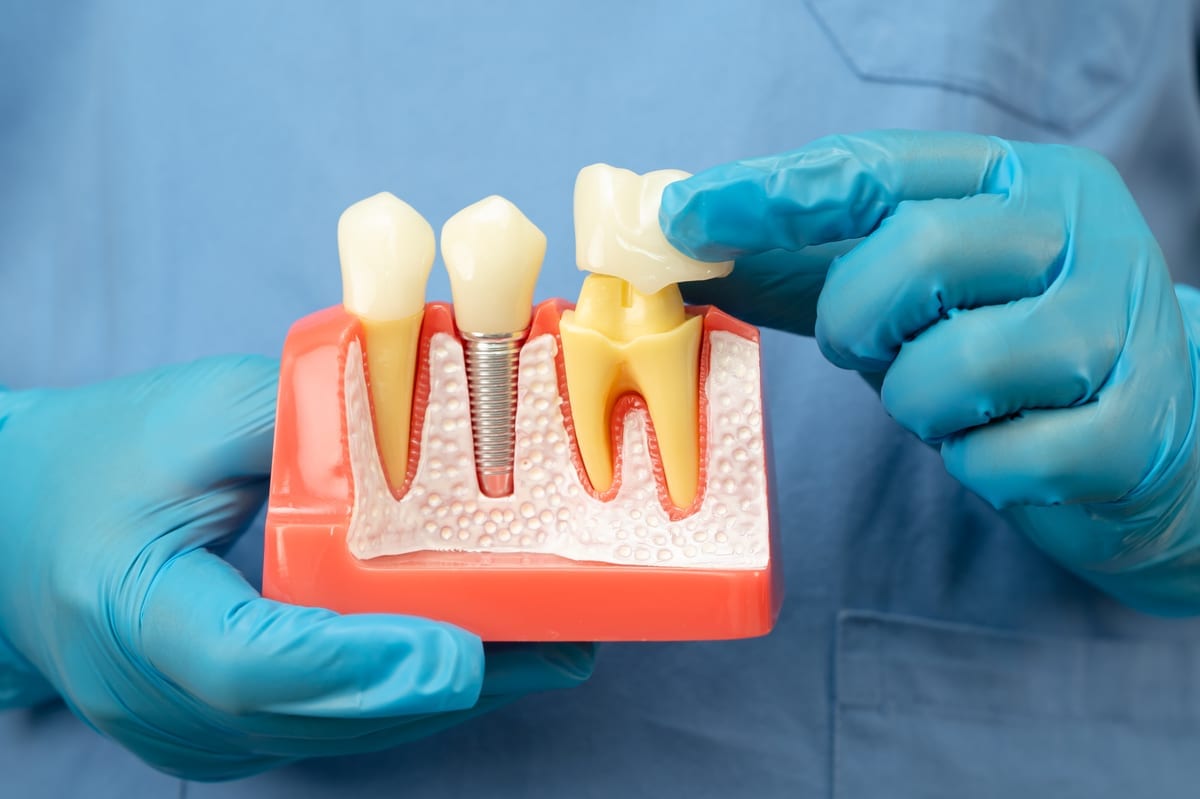
Dental Veneers: Thin porcelain shells bonded to the front of your teeth. Veneers cover discoloration completely and create a natural, bright appearance. They work exceptionally well for tetracycline stains or fluorosis.
Dental Crowns: When a tooth is structurally compromised or severely discolored, a crown may be the best choice. Crowns encase the entire visible tooth and restore both appearance and function.
Composite Bonding: A tooth-colored resin applied directly to the tooth surface. Bonding is a more affordable option for mild intrinsic staining on select teeth.
The right choice depends on the severity of your staining, your overall oral health, and your personal goals. Dr. Remer-Chang will walk you through every option clearly and honestly.
When Other Dental Issues Affect Your Whitening Results
Sometimes whitening does not work because of underlying dental problems — not just stain type. Active gum disease, untreated cavities, or worn enamel can all interfere with treatment outcomes. Whitening solutions can cause significant pain and sensitivity when applied to compromised teeth.
Main Dental always performs a full oral health assessment before any cosmetic treatment. This protects your health and sets your whitening results up for success. If you need Emergency Care Northville for sudden dental pain or sensitivity, our team is ready to help quickly and compassionately.
It is also worth noting that dental restorations do not respond to whitening. Crowns, veneers, bonding, and fillings retain their original color regardless of whitening treatments. If you have visible restorations, Dr. Remer-Chang will factor that into your treatment plan to ensure a consistent, natural result.
What Northville Patients Say About Smile Transformation at Main Dental
Hearing from real patients can help you feel confident about your next step. Many Northville residents have gone through this exact journey — frustrated by at-home whitening, then discovering the right solution at Main Dental. If you want to see real results from patients who have transformed their smiles, explore our Invisalign Testimonials Northville page for an honest look at the patient experience our practice delivers.
Your smile transformation starts with accurate diagnosis and honest guidance. That is exactly what Dr. Remer-Chang and the Main Dental team provide every day in Northville.
Take the Right First Step Toward a Brighter Smile
Understanding why your teeth whitening might not work is empowering. Knowing the difference between intrinsic and extrinsic stains puts you in control of your smile decisions. You deserve a treatment plan built around your actual needs — not a one-size-fits-all approach.
At Main Dental in Northville, MI, Dr. Amanda Remer-Chang is committed to helping you find real, lasting results. Whether that means professional whitening, veneers, crowns, or another solution entirely, she will guide you every step of the way. Book Now to schedule your appointment with our team.
Frequently Asked Questions
Why did my teeth whitening not work at all?
Whitening may not work if your stains are intrinsic — meaning they are inside the tooth, not on the surface. Surface-level whitening agents cannot reach dentin-level discoloration. A dental evaluation can identify the stain type and recommend a more effective treatment such as veneers or bonding.
Can any whitening treatment remove tetracycline stains?
Tetracycline stains are among the most difficult to treat with whitening alone. These are deep intrinsic stains embedded in the dentin. Most patients with tetracycline discoloration achieve better results with porcelain veneers, which cover the staining completely rather than trying to bleach it away.
How do I know if I have extrinsic or intrinsic staining?
A trained dentist can identify stain type during a clinical examination. Extrinsic stains tend to appear yellow or brownish and may correlate with dietary habits. Intrinsic stains often appear gray, have an uneven pattern, and are associated with past medications or developmental history. Dr. Remer-Chang can make this determination during a consultation at Main Dental.
Is professional whitening better than over-the-counter products?
Yes, in most cases. Professional whitening uses higher-concentration bleaching agents and custom trays that ensure even coverage. The results are typically faster, more consistent, and longer-lasting than store-bought strips or trays. Your dentist also monitors for sensitivity and adjusts treatment as needed.
What if I have both intrinsic and extrinsic stains?
Some patients have a combination of both stain types. In these cases, Dr. Remer-Chang may recommend starting with professional whitening to address surface stains first. Then she assesses whether cosmetic options like veneers or bonding are needed to address remaining intrinsic discoloration. Each plan is customized to your specific smile.