

If you have an upcoming crown appointment, you may feel a little nervous about what to expect. Understanding what happens during your dental crown appointment — step by step — can make the entire process feel much less intimidating. At Main Dental, Dr. Amanda Remer-Chang serves patients from Plymouth, MI and the surrounding area. She and her team are committed to making every visit comfortable and clear. This guide walks you through each stage of the crown process, from the first moment you sit in the chair to the final placement of your permanent crown.
Why You Might Need a Dental Crown in Plymouth
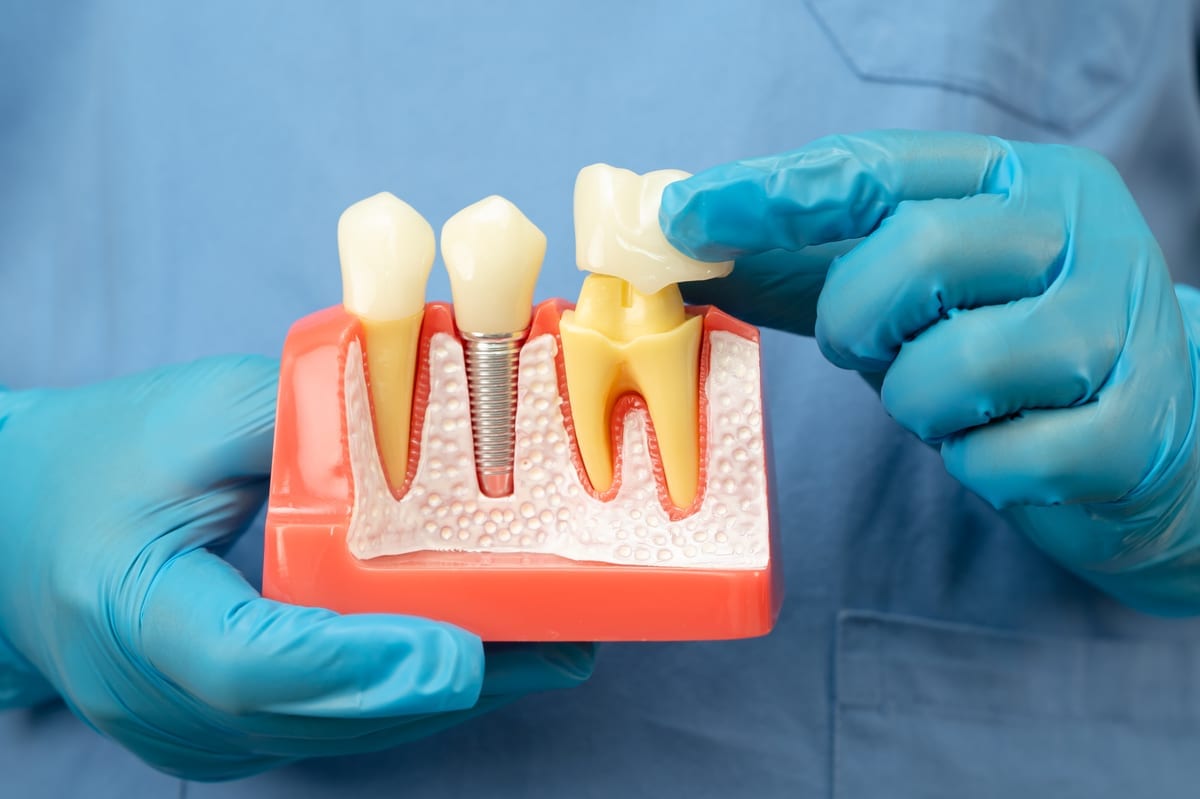
A dental crown is a tooth-shaped cap placed over a damaged or weakened tooth. Crowns restore strength, shape, and function to teeth that are cracked, decayed, or broken. They are also used after root canals to protect the treated tooth. Many patients in Plymouth choose crowns as part of a broader Cosmetic Dentistry plan to improve both function and appearance.
Crowns can also anchor dental bridges or top dental implants. Your dentist may recommend a crown when a filling is no longer enough to protect a tooth. The goal is always to preserve your natural tooth structure as much as possible. Dr. Remer-Chang will explain the exact reason for your crown before treatment begins.
Common reasons patients need dental crowns include:
- A large cavity that a filling cannot adequately restore
- A cracked or fractured tooth that needs protection
- A tooth weakened after a root canal procedure
- Significant cosmetic damage affecting shape or appearance
- Support for a dental bridge or implant restoration
Step-by-Step: What Happens During Your First Crown Appointment in Plymouth
Most crown procedures require two separate appointments. The first visit focuses on preparing the tooth and taking impressions. Dr. Remer-Chang will begin by reviewing your X-rays and examining the tooth carefully. She will then explain the full treatment plan so you feel confident about every step ahead.
Here is what you can expect during your first crown appointment:
- Numbing the area: Dr. Remer-Chang applies a topical numbing gel first. She then delivers a local anesthetic injection to fully numb the tooth and surrounding tissue. Most patients feel only mild pressure after this point.
- Tooth preparation: She gently reshapes the tooth by removing a thin layer of enamel. This creates space for the crown to fit properly without feeling bulky.
- Impressions or digital scan: She takes a precise mold or digital scan of your prepared tooth. This is sent to the dental lab so your permanent crown is made to exact specifications.
- Temporary crown placement: A custom temporary crown is placed over the prepared tooth. It protects the tooth while your permanent crown is being crafted.
The entire first appointment typically takes about 60 to 90 minutes. Most patients find the process surprisingly comfortable once the numbing takes effect. You will leave the office with a temporary crown in place and a follow-up appointment scheduled.
Living With Your Temporary Crown
Your temporary crown protects the prepared tooth between visits. It is made from acrylic or composite material and is not as strong as your permanent crown. You should treat it with a little extra care during this time. Most patients wear their temporary crown for one to three weeks.
Here are some helpful tips for caring for your temporary crown:
- Avoid sticky or chewy foods like caramel and gum
- Chew on the opposite side of your mouth when possible
- Brush gently around the temporary crown area
- Floss carefully and slide the floss out sideways rather than lifting it up
- Contact Dr. Remer-Chang right away if the temporary crown falls off
Some mild sensitivity to hot, cold, or pressure is completely normal. This usually fades once the permanent crown is placed. If you experience sharp or throbbing pain, call the Main Dental office promptly.
Your Second Appointment: Final Crown Placement
Once your permanent crown arrives from the lab, you return for the second appointment. This visit is usually shorter and more straightforward than the first. Dr. Remer-Chang will remove the temporary crown and clean the prepared tooth thoroughly. She then checks the permanent crown for fit, color, and bite alignment before cementing it in place.
The final seating process involves a few key steps. First, she places the crown without cement so you can evaluate how it feels. She may make small adjustments to ensure your bite is even and comfortable. Once everything looks and feels right, she permanently cements the crown onto the tooth.
Most patients leave this second appointment with a fully restored tooth and minimal discomfort. A little sensitivity around the gumline is normal for a day or two. Dr. Remer-Chang will give you clear aftercare instructions before you leave. Your new crown can last 10 to 15 years with proper care and regular checkups.
How to Keep Your Crown — and Your Smile — Healthy Long-Term
A dental crown is a long-term investment in your oral health. Keeping the crowned tooth clean is just as important as caring for your natural teeth. Brush twice daily with a soft-bristled toothbrush and use fluoride toothpaste. Floss every day, paying attention to the gumline around the crown.
Avoid using your teeth as tools to open packages or crack hard items. Night guards are recommended if you grind your teeth during sleep. Grinding can wear down or loosen a crown over time. Ask Dr. Remer-Chang if a night guard might be right for you.
Regular dental visits also help extend the life of your crown. During checkups, Dr. Remer-Chang can spot early signs of wear, cracks, or gum recession around the crown. Patients with underlying gum concerns may also benefit from Gum Disease Treatment to protect the tissue supporting their crown. Healthy gums are essential for a crown to stay stable and look its best for years to come.
Conclusion
Dental crown treatment at Main Dental is a comfortable, well-organized process. Dr. Amanda Remer-Chang guides Plymouth-area patients through every step — from numbing and tooth preparation to temporary placement and final seating. Knowing what to expect makes it much easier to walk into your appointment feeling calm and prepared. You do not have to face this process with uncertainty. Book Now to schedule your appointment with our team.
Frequently Asked Questions
Does getting a dental crown hurt?
Most patients feel little to no pain during the crown procedure. Dr. Remer-Chang uses local anesthesia to numb the area before any work begins. You may feel some pressure or vibration, but sharp pain is not typical. Mild soreness after the appointment usually resolves within a day or two.
How long does a dental crown last?
A well-placed dental crown can last anywhere from 10 to 15 years or longer. Its lifespan depends on your oral hygiene habits, diet, and whether you grind your teeth. Regular dental visits help Dr. Remer-Chang monitor the crown and catch any issues early. Following her aftercare recommendations gives your crown the best chance of lasting many years.
Can I eat normally with a temporary crown?
You can eat soft foods with a temporary crown in place. Avoid sticky, hard, or chewy foods that could pull the temporary off or damage it. Chewing on the opposite side of your mouth reduces stress on the temporary crown. Your eating habits can return to normal once the permanent crown is cemented.
How many appointments does a dental crown take?
Most dental crown procedures require two appointments at Main Dental. The first visit involves tooth preparation and taking impressions. The second visit, usually one to three weeks later, involves placing the permanent crown. Each appointment is carefully planned to make sure your crown fits comfortably and looks natural.
Is a dental crown considered cosmetic or restorative?
Dental crowns can serve both restorative and cosmetic purposes. Restoratively, they protect cracked, decayed, or weakened teeth from further damage. Cosmetically, they can improve the shape, size, and color of a tooth. Dr. Remer-Chang will help you understand exactly what role your crown plays in your overall treatment plan.