
You invested time and money into a brighter smile. Now, just a few months later, that brilliant white is starting to look dull again. If you’re wondering why your whitening results fade—and how to make them last in Northville—you’re not alone. This is one of the most common questions we hear at Main Dental. The good news is that with the right habits, you can extend your results significantly and protect your smile for the long haul.
How Long Do Whitening Results Actually Last?
Most professional whitening treatments produce results that last anywhere from six months to two years. That’s a wide range—and it exists because your daily habits play a massive role. The type of whitening you use also matters. In-office treatments from a dental professional tend to last longer than over-the-counter strips or trays.
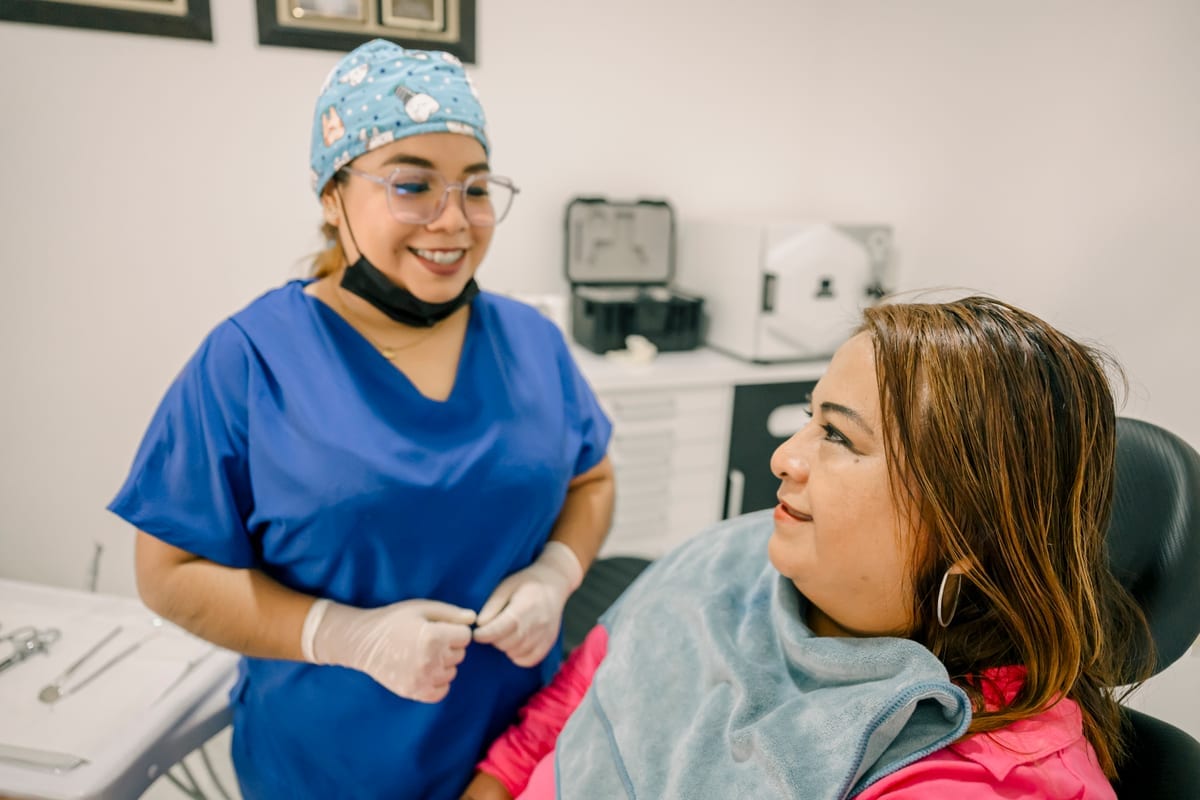
At Main Dental, Dr. Amanda Remer-Chang helps Northville patients choose the right whitening approach for their lifestyle. Some patients need a touch-up every six months. Others maintain their results for well over a year with consistent care. Understanding what works against you is the first step toward keeping your smile bright.
The Habits That Shorten Your Whitening Results in Northville
Certain daily habits are notorious for dulling a freshly whitened smile. Knowing which ones cause the most damage helps you make smarter choices going forward. Here are the biggest culprits:
- Coffee and tea: Dark pigments in both beverages stain enamel quickly. Even one or two cups a day can noticeably dull your results within weeks.
- Red wine: Wine contains tannins and chromogens that bond directly to tooth enamel. It’s one of the fastest ways to reverse whitening progress.
- Smoking and tobacco: Nicotine and tar create stubborn yellow and brown stains. Tobacco use dramatically shortens whitening longevity.
- Dark sauces and foods: Soy sauce, tomato sauce, berries, and balsamic vinegar all leave pigment behind on teeth.
- Sports drinks and sodas: These are acidic and can weaken enamel over time, making teeth more prone to absorbing stains.
You don’t have to eliminate every item on this list. But being mindful of how often you consume them makes a real difference. Small adjustments can add months to your whitening results.
Practical Tips to Make Your Whitening Last Longer
The best strategy combines smart daily habits with regular professional support. Here’s what Dr. Remer-Chang recommends to her Northville patients who want lasting whiteness:
- Rinse with water after staining foods and drinks. You don’t need to brush immediately—just swish water to clear pigments before they settle.
- Use a whitening toothpaste. A gentle whitening formula used daily can help maintain your results between treatments.
- Drink through a straw. This simple trick keeps coffee, tea, and dark drinks away from the front surface of your teeth.
- Wait 48 hours after whitening before consuming staining foods. Your pores are more open right after treatment, making teeth temporarily more vulnerable.
- Schedule regular cleanings. Professional cleanings remove surface stains that build up over time. Twice-yearly visits keep your smile brighter for longer.
- Ask about touch-up trays. Custom take-home trays let you do brief maintenance sessions every few months without needing a full in-office appointment.
These habits don’t require a dramatic lifestyle change. Most of them take only seconds to implement but deliver noticeable results over time. Consistency is the real secret to a lasting bright smile.
Why Professional Whitening Outlasts Over-the-Counter Options
Drugstore whitening strips can lighten teeth, but they rarely deliver the depth or durability of professional treatment. Over-the-counter products use lower concentrations of whitening agents. They also use one-size-fits-all trays that don’t fit your teeth precisely, which means uneven results and potential gum irritation.
Professional whitening at Main Dental uses higher-strength formulas applied safely under Dr. Remer-Chang’s supervision. Custom-fitted trays ensure even coverage and protect your gums throughout the process. The results are more uniform, more dramatic, and longer-lasting.
Whitening is just one part of a broader Cosmetic Dentistry approach. If you’re also dealing with chips, gaps, or uneven teeth, Dr. Remer-Chang can help you explore options like veneers or bonding that complement your whitening results beautifully.
When Whitening Alone Isn’t Enough
Sometimes teeth resist whitening despite your best efforts. Intrinsic stains—stains that originate inside the tooth itself—don’t respond to bleaching agents. These can come from certain medications, excessive fluoride exposure during childhood, or tooth trauma.
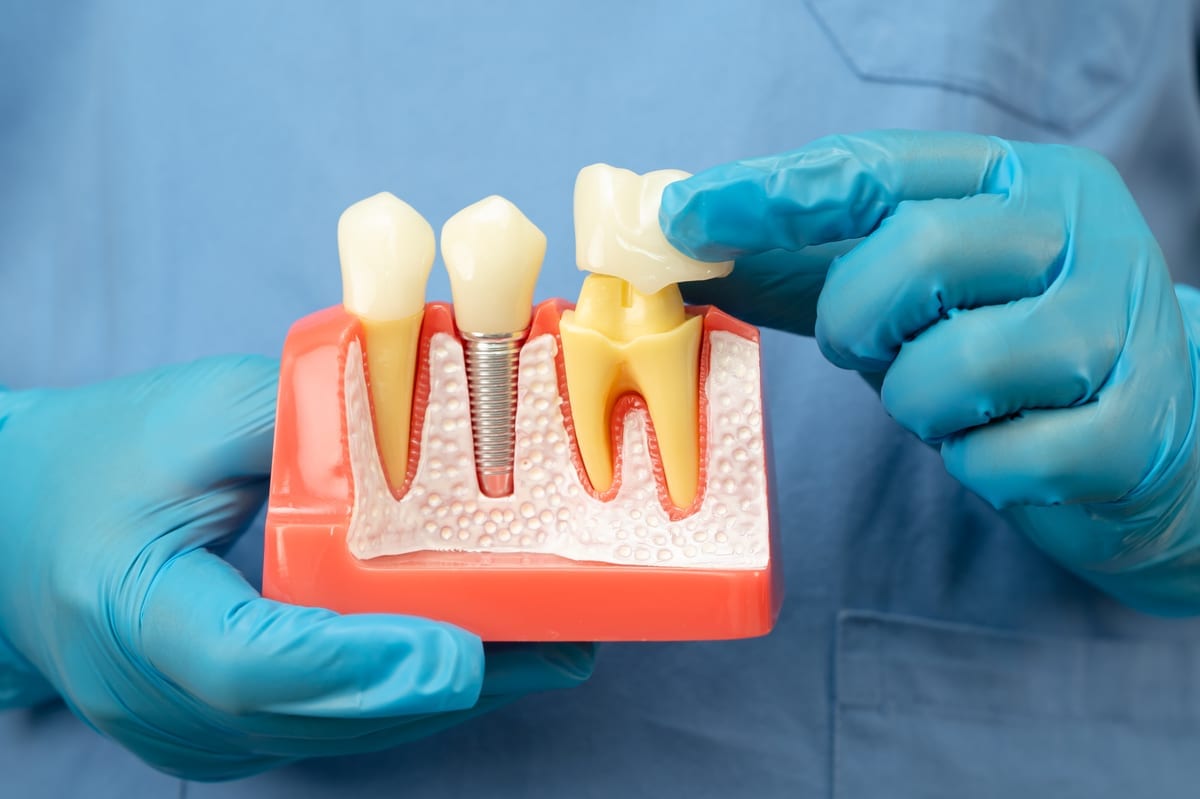
In these cases, Dr. Remer-Chang may recommend alternative cosmetic solutions. Veneers, for example, can cover deep discoloration permanently. They also correct shape and size issues at the same time. A thorough consultation helps you understand which path makes sense for your smile goals.
It’s also worth noting that gum health affects how whitening looks overall. Inflamed or receding gums draw attention away from even the brightest teeth. If you have signs of gum issues, exploring Gum Disease Treatment before or alongside whitening can dramatically improve your final outcome.
Keeping Your Smile Bright in Northville: A Long-Term Mindset
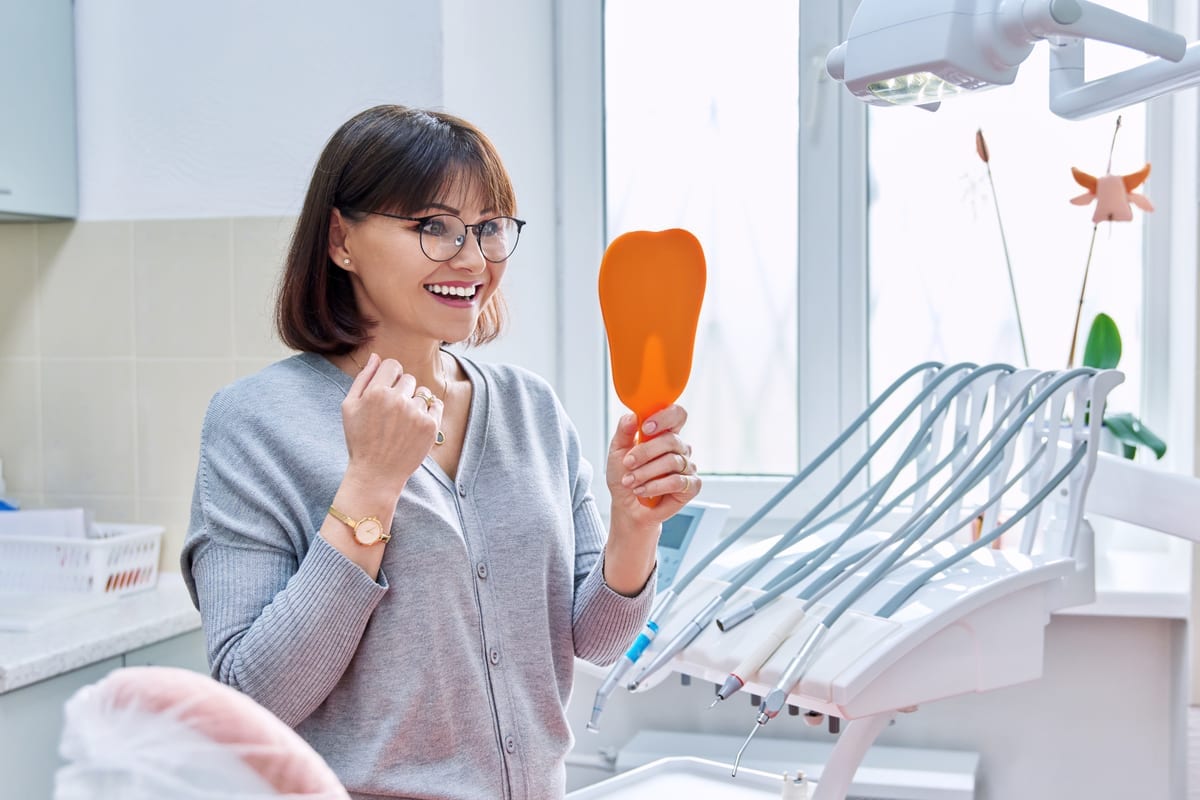
Whitening results aren’t permanent—but they don’t have to be fleeting either. The patients who maintain the best results treat whitening as a long-term commitment, not a one-time fix. They come in for regular cleanings, touch up at home when needed, and stay mindful of their daily habits.
At Main Dental, Dr. Remer-Chang takes a personalized approach to every patient’s smile. She considers your lifestyle, your goals, and your dental history before recommending a whitening plan. That means you get results that are realistic, lasting, and designed specifically for you.
Northville patients have access to professional-grade whitening and the expert guidance to make those results last. If you’ve been disappointed by fading results in the past, it’s time to try a smarter approach. Book Now to schedule your appointment with our team.
Frequently Asked Questions
How often should I get my teeth whitened professionally?
Most patients benefit from a professional whitening treatment once or twice a year. If you maintain good habits and use touch-up trays at home, you may only need a full in-office session annually. Dr. Remer-Chang will recommend a schedule based on your specific needs and lifestyle.
Does whitening damage tooth enamel?
When used correctly, professional whitening does not damage enamel. Over-whitening or using products incorrectly can cause temporary sensitivity or surface wear. That’s why professional supervision matters. Dr. Remer-Chang ensures your treatment is safe, effective, and appropriate for your enamel health.
Why are my teeth sensitive after whitening?
Sensitivity after whitening is common and usually temporary. Whitening agents open tiny pores in enamel, which can trigger nerve responses. This typically resolves within 24 to 48 hours. Using a sensitivity toothpaste before and after treatment can help reduce discomfort significantly.
Can I whiten my teeth if I have veneers or crowns?
Whitening agents do not change the color of dental restorations like veneers, crowns, or bonding. If you whiten your natural teeth, they may become lighter than your existing restorations, creating an uneven appearance. It’s best to discuss your full smile picture with Dr. Remer-Chang before starting any whitening treatment.
What foods should I avoid immediately after whitening?
For the first 48 hours after whitening, avoid coffee, tea, red wine, dark sauces, berries, and tobacco. Your enamel is more porous during this window and absorbs pigments more easily. Sticking to lighter-colored foods and drinks during this period helps protect and prolong your fresh results.